7 Signs Your Parent Shouldn’t Live Alone Anymore
(And What to Watch for Next)
There’s no single moment when things suddenly change.
More often, it’s a series of small signs that start to add up.
If you’ve been wondering…
 *“Is my parent still safe living alone?”*
Here are 7 important signs it may be time to take a closer look.
 1. Frequent Falls or Balance Issues
Even one fall can be serious.
Watch for:
- Bruises they can’t explain
- Trouble getting up from a chair
- Holding onto furniture when walking
Why it matters: Falls are one of the leading causes of injury in seniors—and often the first sign extra support is needed.
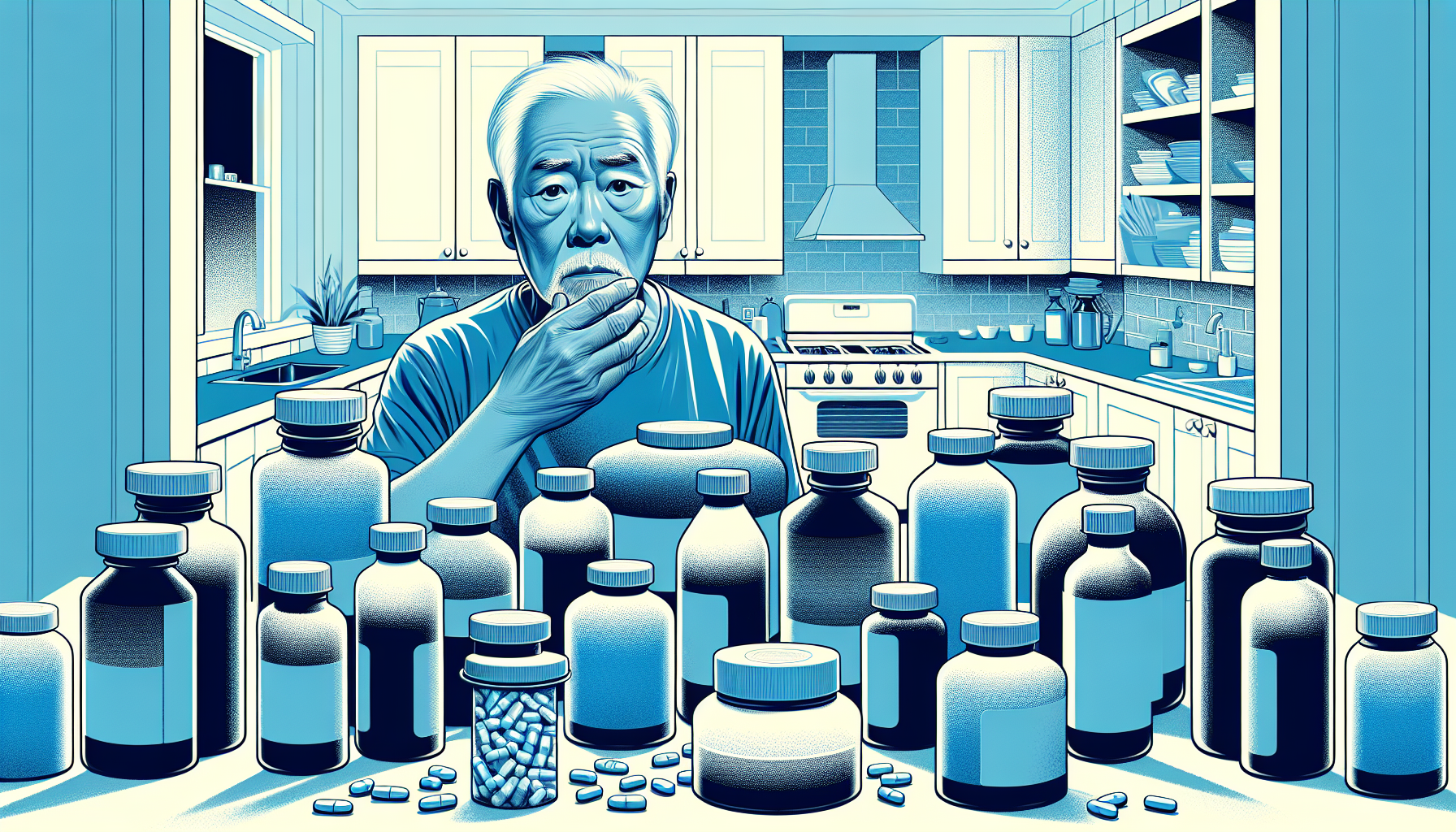
 2. Missed or Incorrect Medications
Are pills being skipped… or doubled?
Look for:
- Confusion about what to take and when
- Pill bottles are piling up or emptying too soon
- Medications left untouched
 Why it matters: Medication mistakes can quickly become dangerous.
 3. Memory Loss That Affects Daily Life
We all forget things—but this is different.
Watch for:
- Repeating the same questions
- Getting confused about time or place
- Forgetting important tasks (like eating or turning off the stove)
 Why it matters: This could signal cognitive decline that impacts safety.
 4. Changes in Home Cleanliness or Safety
Take a look around their home.
Do you notice:
- Clutter or tripping hazards
- Spoiled food in the fridge
- Laundry piling up
- Unusual odors
 Why it matters: These changes often signal they’re struggling to keep up.
 5. Weight Loss or Poor Eating Habits
Nutrition is easy to overlook—but critical.
Watch for:
- Empty fridge or expired food
- Noticeable weight loss
- Lack of interest in meals
Why it matters: Poor nutrition can quickly affect strength, balance, and overall health.
 6. Unpaid Bills or Financial Confusion
This is one families often miss at first.
Look for:
- Stacks of unopened mail
- Late notices
- Duplicate payments or unusual spending
 Why it matters: Financial confusion can lead to serious problems—and may indicate cognitive changes.
 7. Isolation or Withdrawal
Has your parent started pulling away?
Watch for:
- Avoiding social activities
- Not answering calls or messages
- Loss of interest in things they once enjoyed
 Why it matters: Isolation can lead to depression, decline, and increased safety risks.
 What Do You Do If You Notice These Signs?
First—take a breath.
You don’t have to solve everything today.
Start with:
✔ A conversation (with care, not control) ✔ A simple assessment of what they need ✔ A plan for next steps
And most importantly…
 Don’t try to do this alone.
 A Simple Next Step
One of the hardest parts of caregiving is keeping track of everything:
- Health changes
- Daily routines
- Concerns
- Next steps
This is exactly why tools like Aging Sidekick can help.
It gives you a way to: ✔ Organize important information ✔ Track changes over time ✔ Create a simple plan moving forward
So you’re not relying on memory or feeling overwhelmed.
 Final Thought
If you’re seeing one or more of these signs…
It doesn’t mean something is “wrong.”
It simply means:
-  It’s time to pay attention
-  It’s time to start planning
-  It’s time to get support
And that step alone? That’s a powerful one.
Sources/Further Reading:
- National Institute on Aging: https://www.nia.nih.gov/health/alzheimers-and-dementia
- American Geriatrics Society: https://www.americangeriatrics.org/https://www.americangeriatrics.org/
- Centers for Disease Control: https://www.cdc.gov/falls/data-research/Centers 
- Aging Life Care Association: https://www.aginglifecare.org/