An Ounce of Prevention: Simple Home Changes That Prevent Trips to the ER
The saying goes, “An ounce of prevention is worth a pound of cure”. That’s good advice. Taking time to consider how to prevent accidents or bigger challenges is well worth the effort.
Some prevention is routine for us: washing our hands to prevent spreading germs; tying our shoes to prevent tripping; or silencing our phones to prevent interruptions.
Similarly, there are simple things we can do to prevent common challenges of aging. Some of the most useful things we can do cost very little and take an afternoon to set up.
Let’s start with the #1 reason older adults go to the ER: falls.
About 1 in 4 Americans age 65 and older falls each year, and falls are the leading cause of injury-related death in that age group (<u>CDC, 2024</u>). And, they’re preventable. Home modifications and small repairs may prevent up to half of those home accidents (<u>National Council on Aging</u>).
Preventing Falls at Home:
Don’t get tripped up. Take a look at the floor: what could cause us to trip? Or, what could snag the wheels on a walker, rollator, or wheelchair? Pull up loose throw rugs, or tape them down. Clear walking paths of cords and clutter.
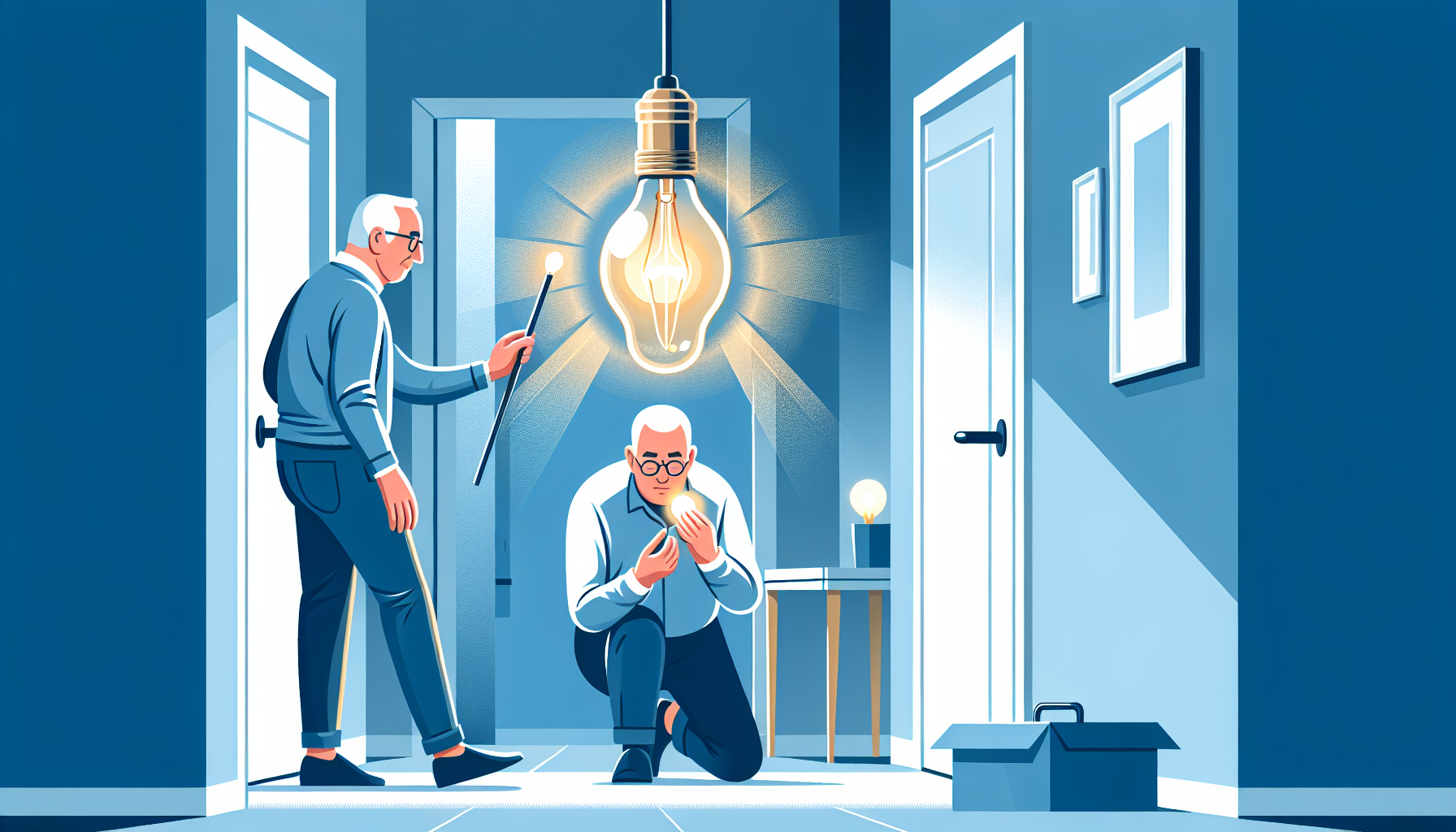
Shed some light on things. As we age, our vision becomes dimmer. Installing brighter bulbs in hallways, the bathroom, and the top and bottom of stairs can make a real difference to ensure we can see properly.
Remember the bathroom! Many falls happen in the bathroom, when we’re standing up from the toilet, stepping over the side of the tub, or when our feet are wet and slippery. The National Institute on Aging recommends grab bars by the toilet and tub, non-slip mats in the shower, and handrails on both sides of any stairway (<u>NIA, Preventing Falls at Home</u>).
Keep things within reach. Take a look at how things are stored. The everyday items you reach for — coffee, dishes, clothing, towels — should sit between hip and shoulder height, so they’re easily accessible. Bending down to get something from a lower cabinet can get us off-balance, or cause dizziness. And reaching overhead can be difficult if we have mobility challenges in our shoulders. By keeping things within easy reach, we’re saving effort AND improving safety.
Take it a day at a time. You don't need to do all of this in one weekend. Pick one room. Make it safer. Move on when you can. Small changes prevent big setbacks.
Sources: <u>*CDC Older Adult Falls Data*</u>; <u>*NCOA — Get the Facts on Falls Prevention*</u>; <u>*NIA — Preventing Falls at Home Room by Room*</u>.