Doing These Three Things After a Rehab Stay Will Help You Stay Safe and Healthy at Home
You’ve just gotten home after a stay in the hospital or rehab, and you probably have a lot on your mind. There are a few key things that can help you be your healthiest and safest when returning home. Following is a short list of some top concerns and resources to help you be your safest and healthiest!
1: Follow up visit with your doctor / primary care provider immediately on medication changes and home health orders
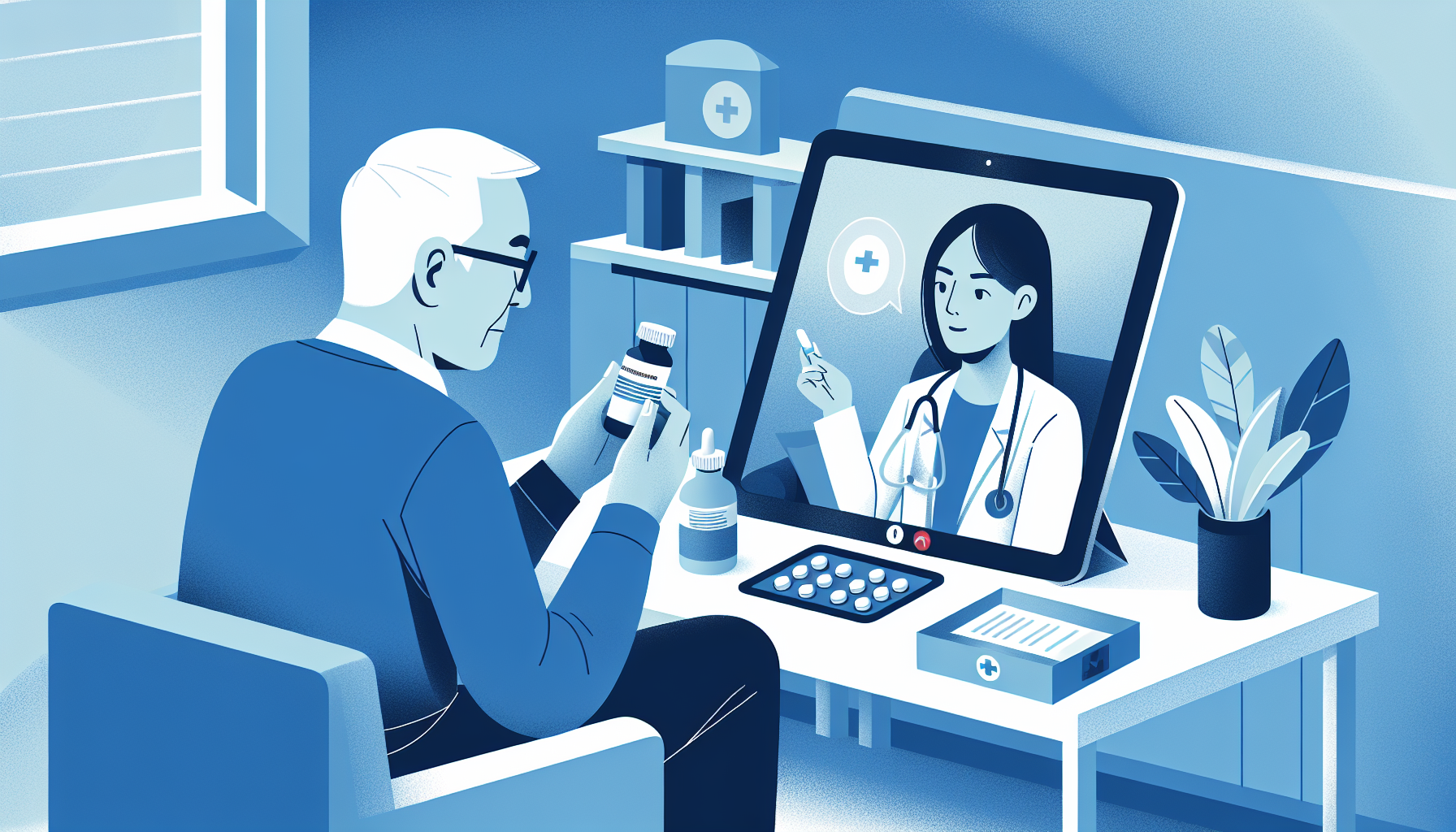
Talk with your primary care provider and request a medication review - discuss any changes; ensure you have the medication you need; ensure you understand how to take the medicines properly. 
Also work with your primary care provider on any orders you need for therapy and/or home care – If you came home with orders to start therapy or home care (like in-home nursing care, wound care, occupational / physical / speech therapy), then you will need orders from a physician or nurse practitioner to start care.
2: Plan for Any Restrictions Around Driving, Bending, or Lifting
Restrictions after surgery, an illness, or injury can impact everyday activities. Making a plan for how you will manage those will help to ensure you don’t have a fall or injury.
Some options for help might include:
- Grocery delivery (online orders)
- Transportation for errands
- Meal delivery or in-home help if you have trouble lifting or standing to cook
- In-home, private-duty care for help with laundry, housekeeping, or with personal care like bathing
3: Pay Attention to Your Home Environment
Look around at your living environment – what can be changed to help you recover safely?
Common concerns include:
- Area rugs / throw rugs – these can be a trip hazard!
- Lighting –Ensure lights are bright enough so there aren’t shadows where you are walking
- Grab bars – Falls often occur in the bathroom, and well-placed, secure grab bars can improve safety
- Raised toilets – this can be a huge benefit if you need help going from sitting-to-standing
- Keep commonly used items above waist-level so you don’t have to bend over – this can reduce falls
Resources Include:
• Home Health Care agencies can provide physical therapy, occupational therapy, wound care, and nursing support to help you continue healing and getting stronger.
• Private Care agencies (also called attendant care or personal care) can help with everyday needs like bathing, dressing, cooking, cleaning, laundry, and transportation.
• Hospice agencies provide end-of-life care, as well as symptom management (palliative care).
• Your Area Agency on Aging is often a great resource for a range of services like transportation and food. They also have information on programs that help cover the costs of in-home care or Assisted Living.
• Adult day programs provide activities and support in a group setting, where participants receive meals, help with medication, and more. You can often choose to participate on a drop-in or as-needed basis.
• Assisted Living (sometimes known as residential care or personal care facility) is a great option for people who would benefit from daily help with meals, housekeeping, medication, bathing, transportation, and/or oversight of their care needs.