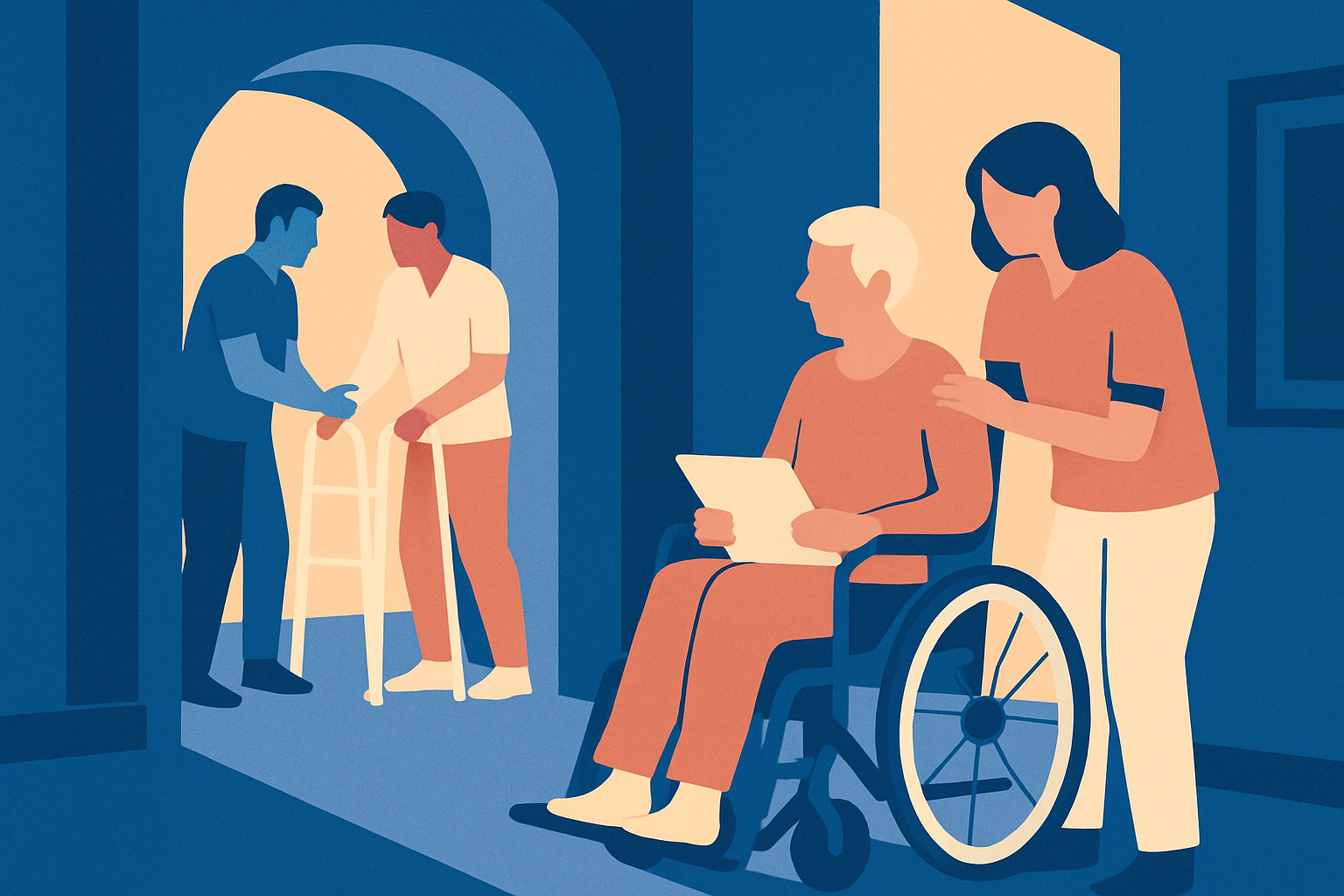
Navigating healthcare options for yourself or a loved one can feel overwhelming, especially when it comes to complex therapies. Occupational therapy (OT) and physical therapy (PT) are two commonly prescribed treatments for seniors, yet they serve distinct purposes in supporting health, independence, and quality of life. If you’ve ever wondered about the difference between occupational therapy and physical therapy—and which one is right for your situation—this guide is for you.
What Is Occupational Therapy?
Occupational therapy helps people perform the activities of daily life (sometimes called ADLs)—such as bathing, dressing, cooking, or managing medication—more easily and safely. Occupational Therapists work with people recovering from illness, injury, or living with chronic conditions like arthritis, Parkinson’s, or post-stroke effects. The focus is not just on recovering physically, but often includes environmental adaptations.
Examples of occupational therapy activities:
- Teaching strategies to get dressed with one hand after a stroke
- Recommending tools, like reachers or shower seats, to support daily living
- Modifying home environments (e.g., grab bars, ramps) for increased safety
- Improving cognitive skills for medication management
What Is Physical Therapy?
Physical therapy, on the other hand, focuses on restoring or improving movement, mobility, strength, and reducing pain. PT is most often prescribed after surgeries (like joint replacement), injuries, or when managing conditions that impact movement, balance, and strength.
Examples of physical therapy activities:
- Exercises to strengthen muscles after knee or hip replacement
- Training to improve balance and prevent falls
- Techniques to increase flexibility and range of motion
- Pain management strategies, such as manual therapy or modalities like heat/cold

Key Differences
While both therapies may sometimes address similar issues (for instance, both might help someone after a stroke), their focus and methods differ:
Occupational therapy focuses on daily living tasks and independence. Typical goals for OT are to improve your ability to perform everyday tasks. Occupational therapists focus on interventions like adaptive equipment, home safety, and fine motor skills. Activities you might perform include buttoning shirts, cooking, or using assistive devices. OT focuses on environmental adaptations for in the home, community, or workplace.
Physical therapy focuses on function, movement, and mobility. Typical goals for PT are to restore strength, flexibility, range of motion. Physical therapists focus on interventions like exercise, stretching, manual therapy. Activities you might perform include walking, climbing stairs, improving posture. PT often takes place in a clinic, gym, or at home with exercise routines.
Which Therapy Is Right for You?
The choice between occupational therapy and physical therapy depends on your or your loved one’s specific needs. If the primary challenge is pain, weakness, or impaired mobility, physical therapy is likely most appropriate. If the main struggle is performing daily tasks safely and independently, occupational therapy may provide the best solutions. However, in many cases, both therapies are recommended together for holistic recovery—such as after major surgery or a stroke.
Tips:
- Consult your physician or a rehab specialist to determine what’s most appropriate
- Ask about both options if you’re struggling with mobility and daily activities
- Remember: OT and PT professionals often work side by side for best results
Conclusion & Further Reading
Both occupational therapy and physical therapy are vital to maintaining independence and quality of life as we age. Understanding how they differ can help you make informed choices for yourself or your loved one.
Want to learn more?
Empower yourself and your loved ones by seeking the right type of therapy for your needs!
Sources:
- AARP: What is Occupational Therapy?
- Healthline: Occupational Therapy vs. Physical Therapy
- Net Health: Occupational Therapy vs Physical Therapy
Plan a safe discharge with Aging Sidekick
Aging Sidekick walks you through every question, document, and decision before your parent leaves the hospital — built around the specific care situation in front of you.
Start your discharge planSee how Aging Sidekick helps →