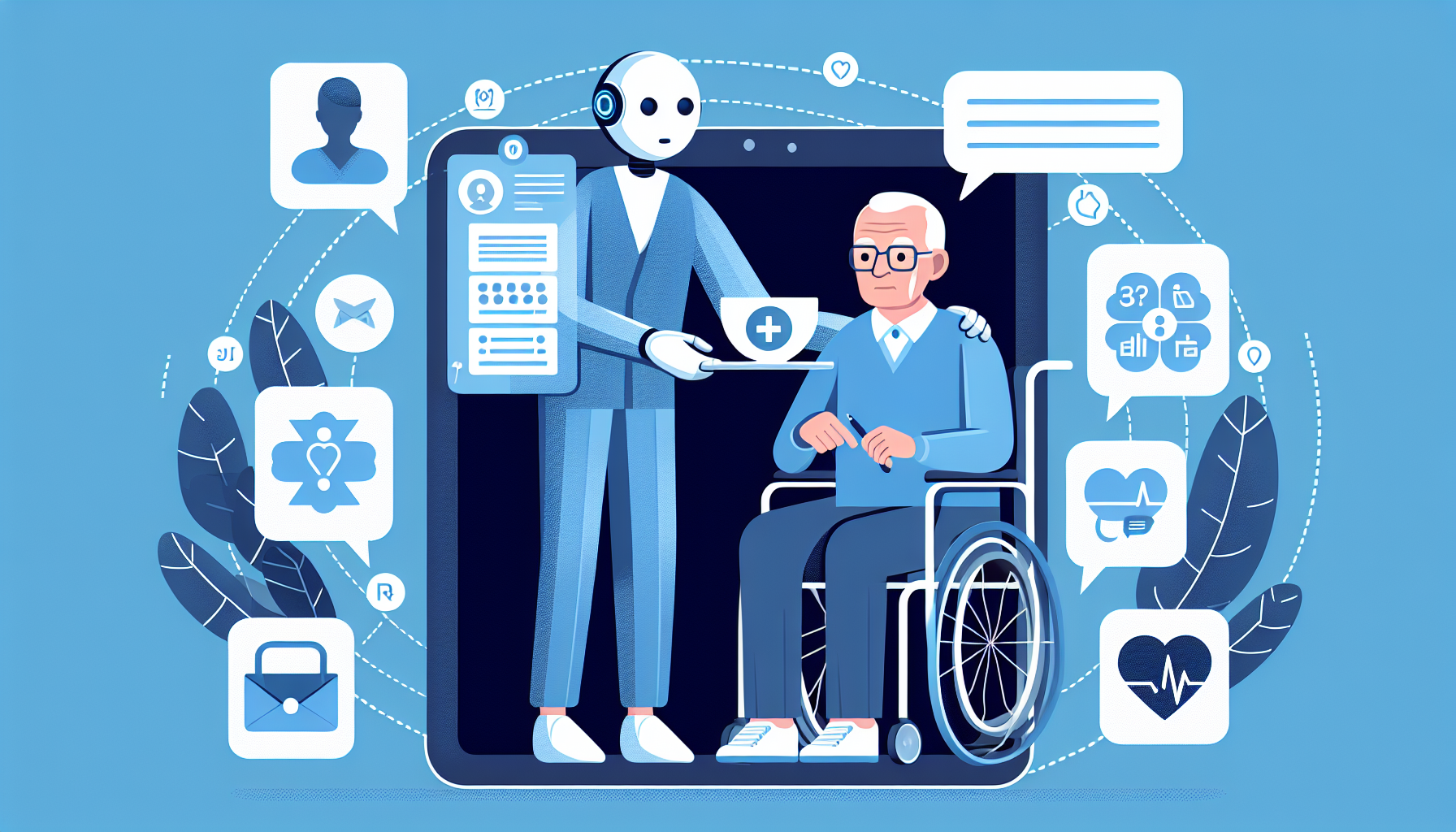
As our global population continues to age, the demand for smarter, more compassionate elder care is at an all-time high. Artificial intelligence (AI)—once considered the stuff of science fiction—is now delivering innovative solutions that help older adults live healthier, safer, and more connected lives. In 2024, AI-powered technologies are supporting seniors in ways that were previously unimaginable. Let’s explore the many ways AI is reshaping elder care, empowering independence, and improving quality of life for older adults and their families.
1. Health Monitoring and Personalized Care
AI-driven wearable devices and smart home systems can now continuously monitor vital signs, including heart rate, blood pressure, blood sugar levels, and sleep patterns. These devices don’t just collect data—they use AI to detect anomalies and alert caregivers or medical professionals in real-time, enabling faster intervention and potentially preventing health crises. For example, smartwatches with fall detection can automatically call emergency services if a fall is detected (SCIP).
Virtual health assistants powered by AI help with scheduling, medication reminders, and personalized treatment plans. Predictive analytics analyzes health data to identify patterns that may indicate emerging health risks, such as changes that suggest early dementia or an increased risk of falls (Senior Helpers).
2. Enhancing Independence With Smart Home Technology
Maintaining independence is a top priority for many older adults. AI-enabled smart home devices make daily living easier and safer:
- Voice-activated assistants (like Alexa or Google Home) allow users to control lights, thermostats, and appliances, or call for help, simply by speaking.
- Automated routines can lock doors, manage medication dispensers, and even alert caregivers if something unusual is detected.
- Remote monitoring systems let loved ones check in and receive alerts about irregular activity, supporting aging in place (MDPI).
3. Social Connection and Companionship
Social isolation and loneliness are serious concerns for many seniors. AI addresses this through:
- Social robots and virtual companions that engage in friendly conversation, remind users about important events, play games, and provide daily encouragement. Robots like ElliQ and Joy for All are increasingly used in care homes and private residences alike (Medium).
- Large language models (LLMs) and chatbots can simulate conversation, answer questions, and even reminisce or play memory games. Early research indicates that these assistants can help alleviate feelings of loneliness and stimulate cognitive engagement (LTC News).
4. Cognitive Support and Brain Health
AI powers personalized cognitive training and brain games to help preserve mental sharpness. These platforms adapt to each user’s skill level, offering activities that improve memory, attention, and problem-solving. Some solutions use AI to monitor speech or behavior for early signs of cognitive decline, allowing timely intervention (PMC).
5. Mobility, Safety, and Transportation
- Fall detection and emergency response: AI in cameras, radar, or wearable sensors detects falls and unusual behavior, automatically summoning help if needed (AgeTech Collaborative).
- Self-driving vehicles and navigation apps: AI is making transportation safer and more accessible for seniors who can no longer drive.
- Motion support: AI-powered exoskeletons and rehabilitation robots help with mobility and recovery after illness or surgery.
6. Streamlining Caregiving and Assisted Living
AI doesn’t just help older adults directly—it makes life easier for caregivers:
- Automated scheduling, reminders, and documentation reduce administrative workload, letting caregivers dedicate more time to meaningful interactions.
- Predictive analytics help identify residents at risk of health decline, allowing staff to intervene sooner and improve outcomes.
- Virtual assistants and chatbots can answer common questions, freeing up human caregivers for more complex support (NuAIg).
7. Ethical Considerations and the Human Touch
While AI brings tremendous promise, significant challenges remain:
- Privacy and security: AI solutions must protect sensitive health and personal information, adhering to strict data protection regulations.
- Human connection: AI should amplify, not replace, the human relationships at the heart of elder care. Studies confirm that technology works best when paired with compassionate caregivers, rather than as a substitute.
- Equity and accessibility: Ensuring these tools are affordable and accessible to all seniors, regardless of background, is vital.
8. Looking Ahead: Takeaways for Families and Caregivers
AI is rapidly transforming elder care with real-world benefits:
- Improved health monitoring and rapid response to emergencies
- Greater independence and safety at home
- Reduced loneliness and enhanced cognitive stimulation
- Support for caregivers—relieving the burden and improving care quality
As these technologies continue to evolve, a future of "smart aging" that supports dignity and fulfillment for older adults is becoming a reality. For families and caregivers, staying informed and open to these innovations can offer new ways to enhance the well-being and happiness of loved ones.
Further Reading & Sources
- Smart Technologies for Smart Aging: How AI is Revolutionizing Elderly Care
- How AI Technology Can Improve the Lives of the Elderly
- How AI Is Being Optimized in AgeTech: An In-Depth Guide
- AI Helpers for Seniors: How Large Language Models Are Lending a Hand in Long-Term Care
- Artificial Intelligence and Assistive Robotics in Healthcare Services: Applications in Silver Care
- Senior Living Technology Solutions in 2024 with Smart Tech
- AI’s Global Embrace: Reinventing Elder Care Across Continents
This article is for informational purposes only and not a substitute for medical or legal advice. Always consult with qualified professionals for personal guidance.