
Senior living communities - also known as 55-plus retirement communities - are popular because residents have a sense of community, they don't have to worry about household maintenance and lawn work, they have easy access to entertainment, and it's easier to get help if they need it. Two popular senior living choices are assisted living and independent living.
What Is Assisted Living?
Assisted living is a residential setting - typically private apartments - where residents get help with their daily care needs. This might be help with:
- Getting dressed
- Taking a bath
- Remembering to take medicine
- Going to the bathroom
- Transportation
Staff are there to help any time, day or night. Some have licensed nurses and aides who can provide both medical care and personal care; others only offer help with personal care. The staff also cook meals, do the housekeeping, and wash laundry. Assisted living communities offer activities like art, games, exercise classes, religious services, and group outings.
What Is Independent Living?
Independent living is a place for older people (ages 55 and better) who don’t need much help and can do most things on their own. In independent living, people live in their own apartment, or sometimes a stand-alone house, condo, or cottage. The lawn care and building maintenance is taken care of - just like a typical apartment community. There may be a dining room with meals where people can eat together, or residents can cook for themselves.
Services at Independent Living communities vary widely - some offer personal caregiving, transportation, or housekeeping services. Others do not. Independent living communities are typically built to be accessible for people with limited mobility. They often offer fun activities, clubs, and group trips.
How Are They the Same?
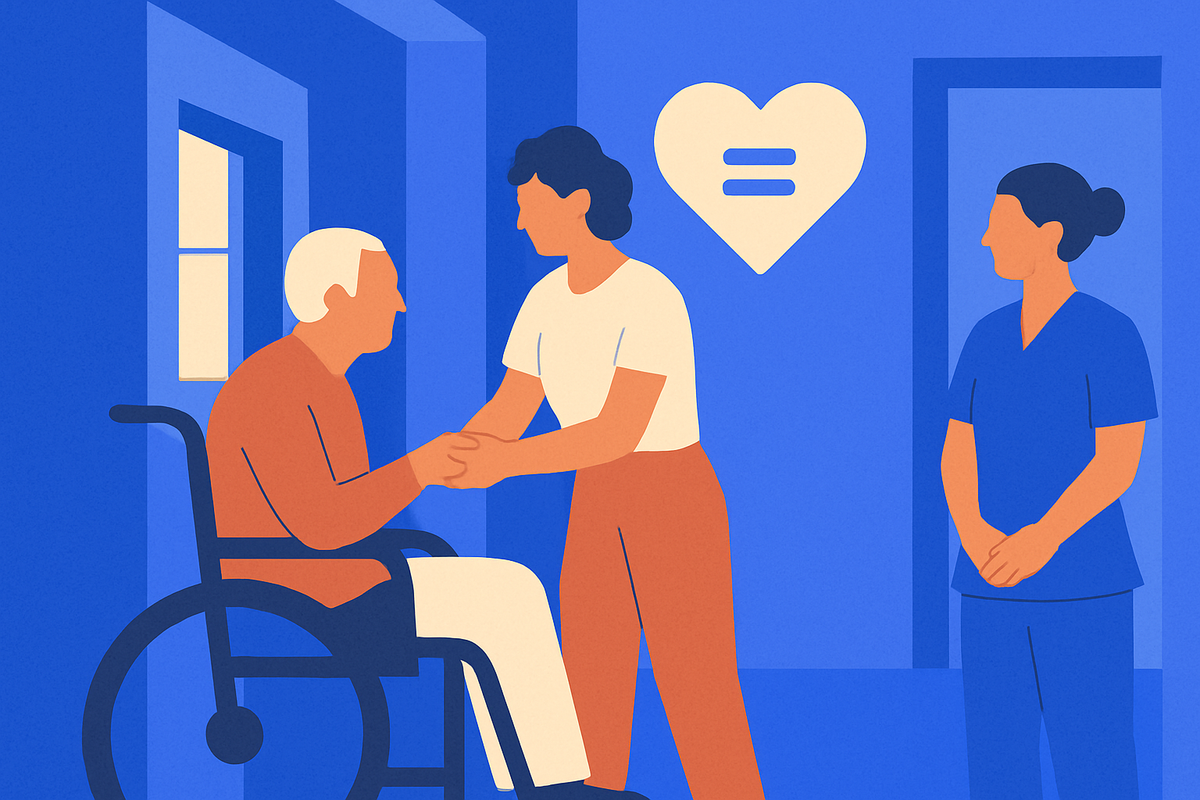
Both assisted living and independent living:
- Are for older adults (ages 55 and better)
- Have group meals and activities
- Take care of things like mowing the grass or building maintenance
- Are safe and easy to get around
- Invite family to visit and join in activities
How Are They Different?
- Daily Care: Assisted living gives help with everyday care needs like bathing, getting dressed, help with medications, and coordinating medical care. Independent living does not give help with daily activities—people do those themselves, or they hire private caregivers.
- Cost: Assisted living usually costs more than independent living, because there are more helpers and nurses.
- Health: If someone has trouble remembering things or walking, assisted living is often a better fit. If someone can cook, clean, and care for themselves, independent living might be perfect.
How to Choose
If you’re not sure which is best, think about:
- What help do you need every day?
- Can you cook, clean, bathe, and take medicine by yourself?
- Do you want to meet new friends and join in group activities?
It’s also important to visit different places, ask questions, and talk to your family before making a choice.
Final Thoughts
No matter what you pick, both independent living and assisted living help older people stay happy, healthy, and connected to others. The most important thing is to consider what type of support and amenities are most important to help you have your healthiest, best life.
Reference:
*https://www.ncoa.org/adviser/local-care/assisted-living/assisted-living-vs-independent-living/*
*https://www.aarp.org/caregiving/basics/housing-options/*
Start your aging-parent legal & financial checklist
Aging Sidekick walks you through the documents, decisions, and benefits programs that matter for your specific situation — not a generic checklist. It's not legal or financial advice; it's an organized starting point for the conversation with your attorney or advisor.
Start your checklistSee how Aging Sidekick works →