Drop the pill bottles in. Get the med list out.
Aging Sidekick reads photos, audio, and PDFs of your loved one's medications and gives you a clean, printable list you can share with the pharmacist. So you stop sorting pills at midnight.
Aging Sidekick organizes medications. We do not recommend changes. Any medication change is a conversation with your doctor or pharmacist.
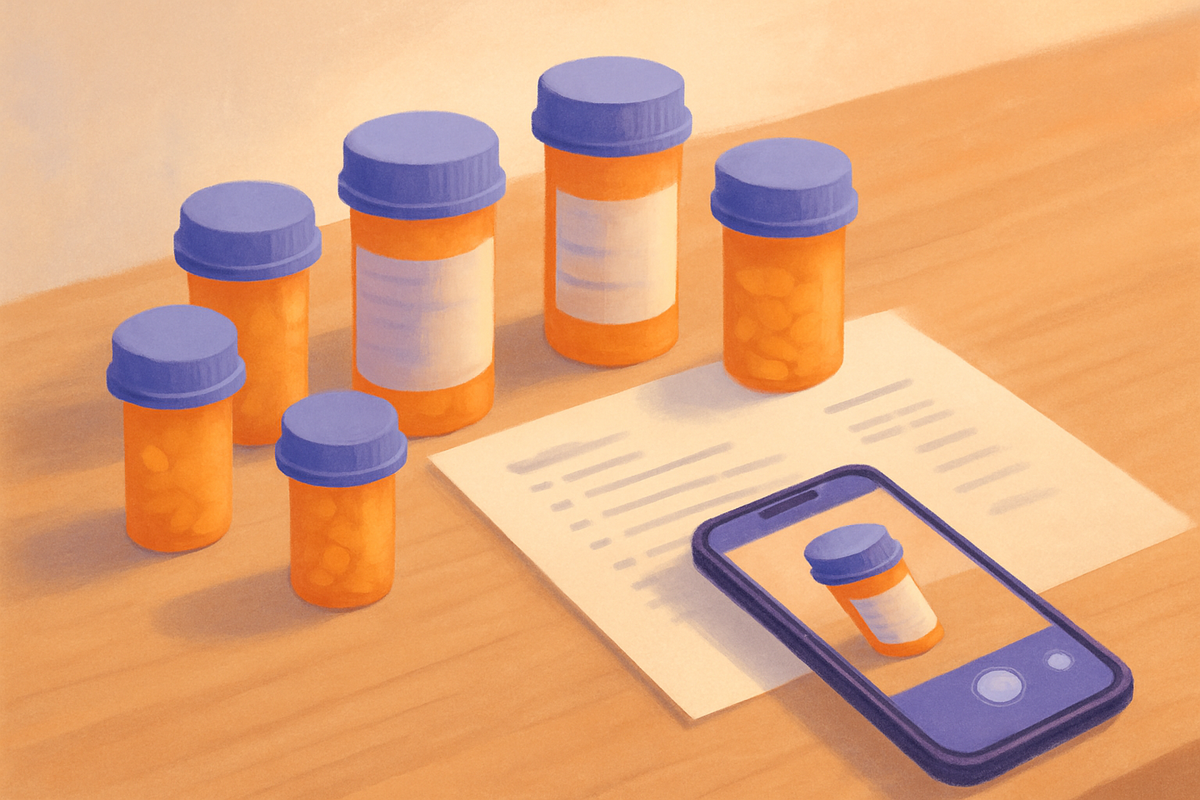
The pill list at home does not match the pill list at the hospital.
Every hospital stay rewrites the medication list. Something gets added, something gets stopped, a dose changes. By the time you get home, the bottle on the counter, the printout from the hospital, and the line in the pharmacy app are three different lists. Medication reconciliation is the calmer name for sorting that out before something goes wrong.
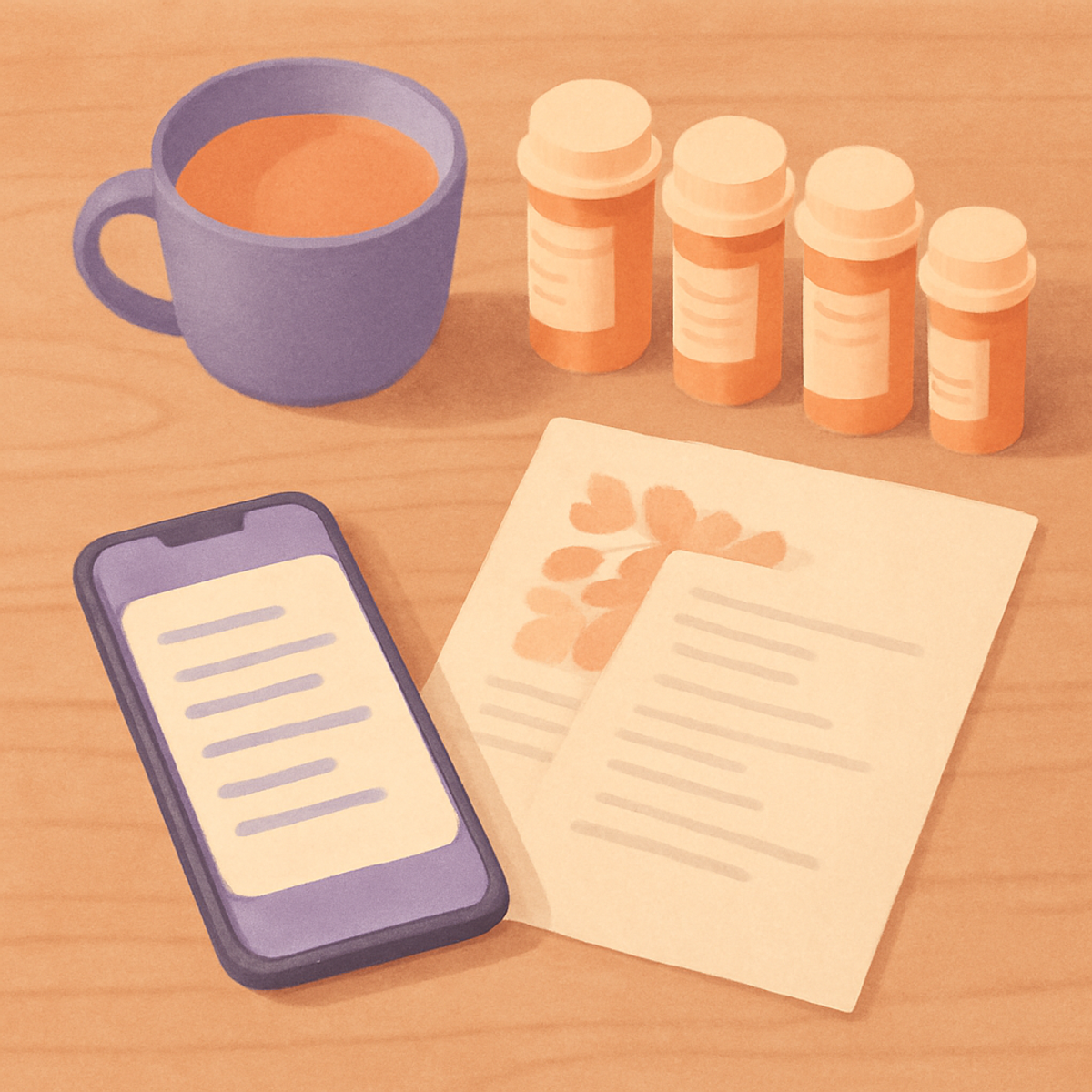
A photo, a PDF, a recording. One clean list.
Take a picture of the pill bottles, upload the discharge medication list, or drop in a recording of the last doctor visit. Aging Sidekick turns it into a plain-language medication list — what each pill is, the dose, and the schedule — in one list you can hand to the pharmacist.
- Photo of the pill bottles — turned into a structured list
- Discharge medication PDF — reconciled with what is in the cabinet
- Doctor-visit recording — transcribed and linked to the profile
What is polypharmacy and why it is dangerous after 75
Polypharmacy is the plain-language word for taking many medications at once. Five or more prescriptions is the line most geriatricians use. The risk is not the count by itself — it is what happens when one medication starts interacting with another, or when a medication that works for a younger adult becomes a fall risk after 75.
The American Geriatrics Society publishes the Beers Criteria — a list of medications that are often more harmful than helpful for older adults. It is not a list to argue with the doctor about. It is a list to bring to the next appointment and ask: "Are any of my parent's medications on here, and is there a safer alternative?"
Sources: American Geriatrics Society — Beers Criteria · AHRQ — medication safety · NIA — medicines and medication management.
What it looks like inside
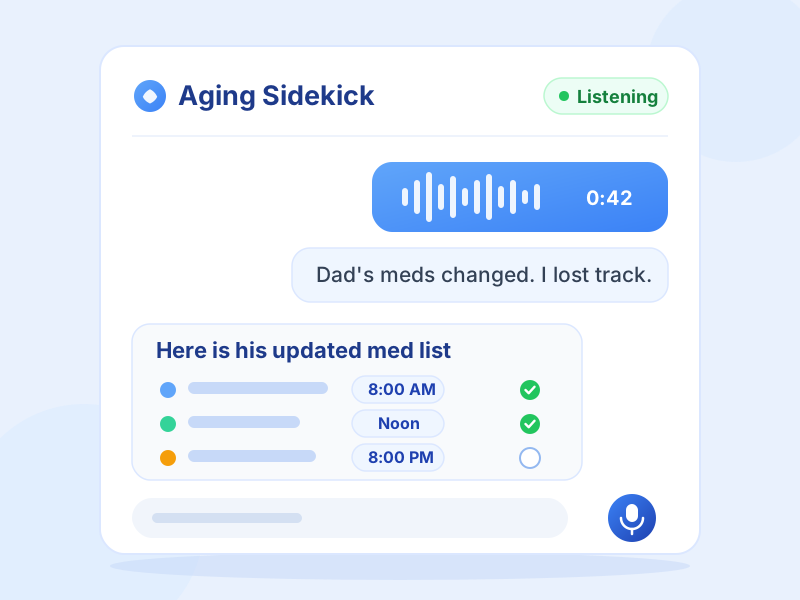
Say it out loud → a clean med list
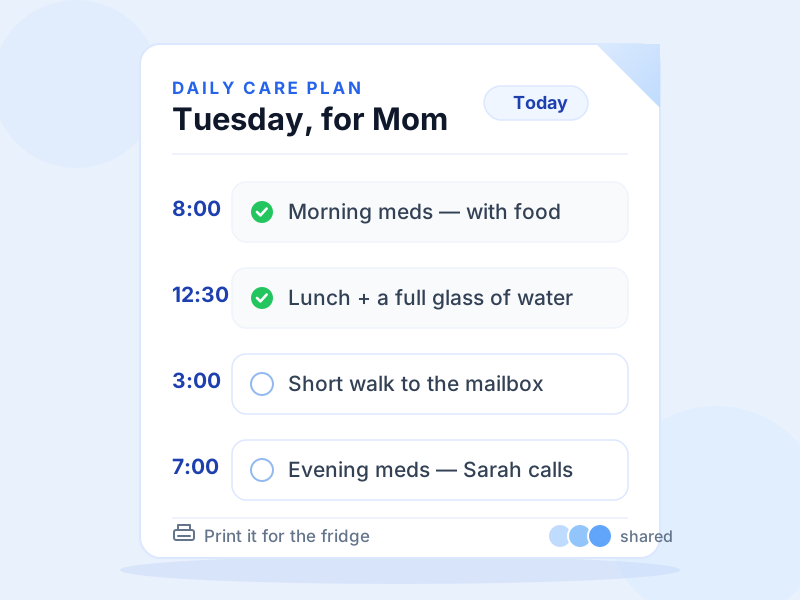
Every dose lands on the daily plan
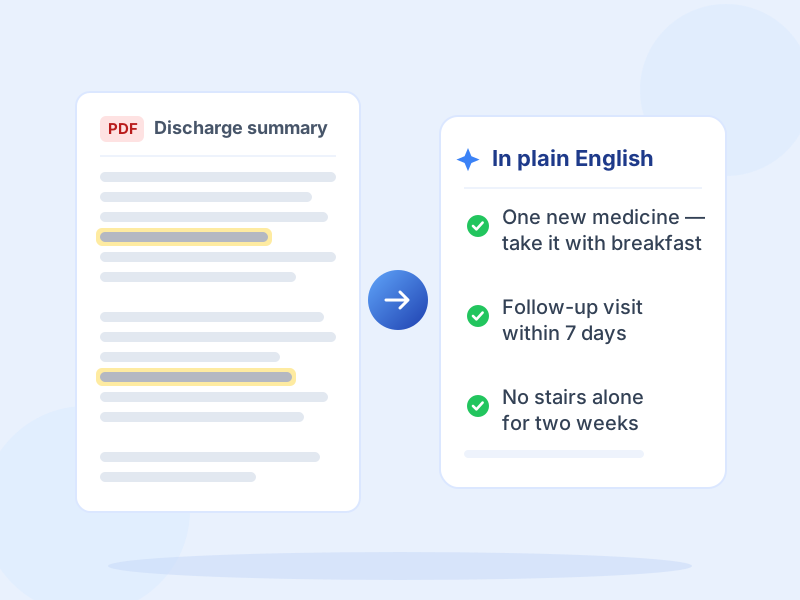
Pharmacy paperwork → plain English
What we can't do
Aging Sidekick organizes medications. We don't recommend changes. Any medication change is a conversation with your doctor or pharmacist.
If a pill looks new, a dose looks different, or a side effect is worrying you, call the pharmacy first — they will pull the active prescription list and walk through it with you. For sudden confusion, slurred speech, a fall, or trouble breathing, call your local emergency number.
What caregivers tell us
My mothers dementia has steadily become worse over the last 5 years. She does not remember to take her meds until late in the day. This means she is taking two blood pressure meds and her lasix all at the same time or within a few hours of each. She is completely lost if a new med is added and she is unable to take any of her meds at this point.
Built with senior care experience and grounded in trusted public sources
Encrypted in transit and at rest, access-controlled, and never sold. We are not a HIPAA-covered entity — see our Consumer Health Data Privacy Notice.
Switching from Medisafe?
Medisafe added a mandatory paywall in January 2026. If you used the free tier to track your loved one's medications, the prompts to upgrade have probably already started.
Aging Sidekick is a free way to keep the medication list organized — alongside the rest of your loved one's care plan, not in a separate app. Upload a photo of the pill bottles or a PDF of the discharge medication list, and we will turn it into a clean, printable list you can hand the pharmacist or take to the next appointment.
One honest note: a direct one-tap import from a Medisafe export is on our roadmap, not in the product today. For now, a photo of the bottles or a PDF of the list is the fastest path off Medisafe.
Your parent's medication list — a printable template
A one-page, plain-English template you can fill in and hand to the pharmacist or take to the next appointment. Name of each medication, what it is for, the dose, the schedule, and the questions to ask about interactions.
A one-page, plain-English template for the medication list — name of each medication, what it is for, the dose, the schedule, and the questions to ask the pharmacist about interactions.
Caregivers ask these questions the most
Can Aging Sidekick recommend a medication change?
How is this different from Medisafe?
What about drug interactions?
Is this an emergency?
Start your loved one's plan free — takes 15 minutes.
Free to start, no card required. Upgrade to Premium for more voice time.