
As we age, concerns around memory and cognitive changes often come to the forefront. Terms like “dementia” and “Alzheimer’s” are frequently used—sometimes even interchangeably. But what’s the difference between them, and why does it matter? Inspired by leading resources on brain health, including expert advice shared by AARP, let’s explore the landscape of dementia and its various types.
What Is Dementia?
“Dementia” is not a specific disease but a syndrome. It is characterized by a set of symptoms that affect memory, thinking, reasoning, and social abilities. These symptoms are severe enough to interfere with daily life and independence. Dementia is caused by damage to brain cells, which affects their ability to communicate.
Common symptoms of dementia include:
- Memory loss
- Difficulty with problem-solving or planning
- Changes in personality or behavior
- Trouble communicating or understanding language
While aging can bring about moments of forgetfulness, dementia is more serious and persistent.
Alzheimer’s Disease: The Most Common Type
Alzheimer’s disease is the most common cause of dementia, accounting for 60% to 80% of dementia cases. It is a progressive brain disorder that gradually destroys memory and cognitive skills.
Signs that may indicate Alzheimer’s disease:
- Early memory loss, especially for recent events (not being able to recall things that happened in the last hour, day, or week)
- Getting lost in familiar places
- Difficulty managing finances or daily tasks
- Personality and mood changes
Alzheimer’s disease is characterized by the accumulation of plaques and tangles in the brain, leading to nerve cell death over time.
Other Types of Dementia
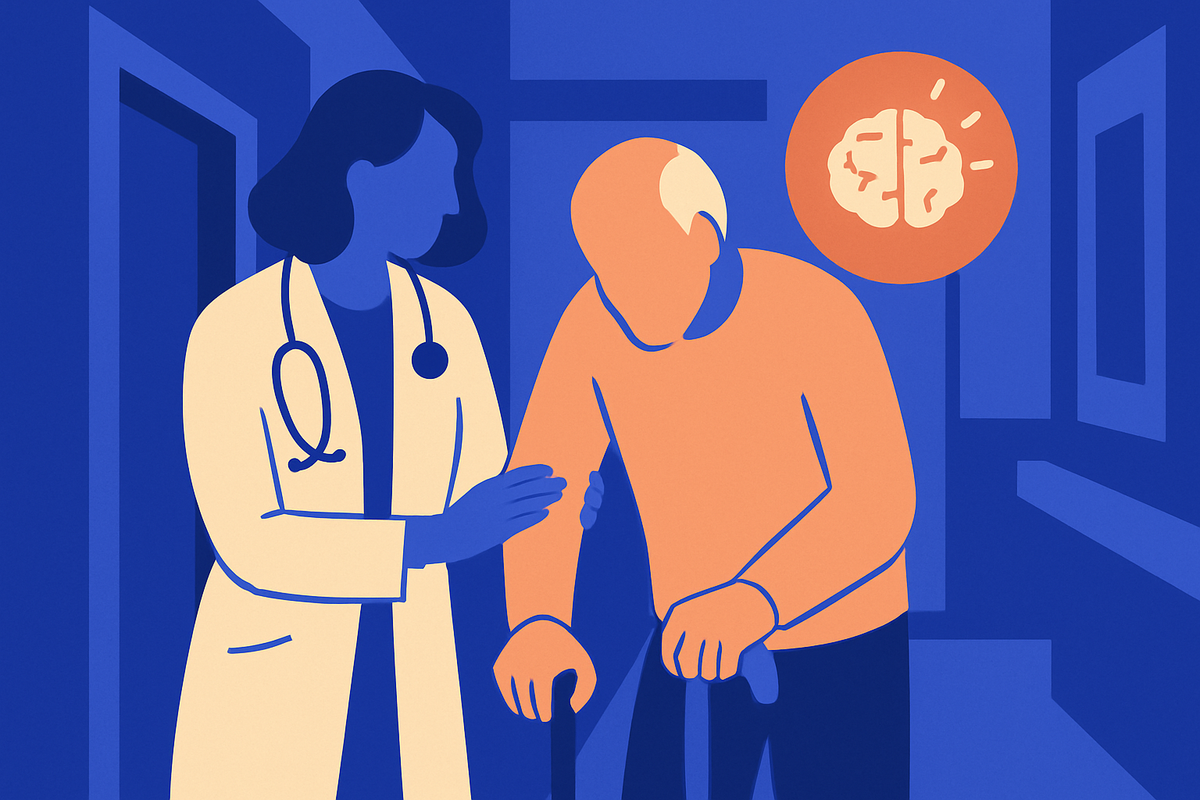
Dementia takes several forms. Understanding these can help families get the right support and care:
Vascular Dementia
Resulting from reduced blood flow to the brain, often following a stroke or series of small strokes. Symptoms can include difficulty with problem-solving, slowed thinking, and confusion.
Lewy Body Dementia
Caused by abnormal protein deposits (Lewy bodies) in brain cells. Symptoms often include visual hallucinations, movement problems (similar to Parkinson’s disease), and sleep disturbances.
Frontotemporal Dementia
Involves degeneration of the brain’s frontal and temporal lobes. It can present with changes in personality, behavior, safety awareness, and language abilities, often at a younger age than other dementias.
Mixed Dementia
Some people experience “mixed dementia,” where Alzheimer’s and another type (often vascular dementia) occur together.
Why the Distinction Matters
Understanding the differences between types of dementia is crucial. Accurate diagnosis can guide treatment decisions, planning, and caregiving approaches. For example, medications and therapies may vary depending on the type, and certain symptoms require tailored support.
Managing Dementia: Practical Advice
Early detection and intervention are key. While dementia and Alzheimer’s are often confused, understanding their distinctions can help families make informed decisions and access better care. If memory or cognitive concerns arise, consult a healthcare provider—early support makes a difference.
For more information and resources, visit AARP’s Dementia Resource Guide.
Get a dementia care roadmap
Aging Sidekick assesses your parent's specific situation across 18 dimensions and outputs a Life Plan you can act on — for the first 30 days and beyond.
Start your care roadmapSee how it works for dementia families →