Medications
When your parent's medication list keeps growing, it is hard to know what is essential and what is leftover. Practical guides for building a clean med list, spotting interactions to flag, and walking into the pharmacy with a real plan.
Aging Sidekick helps family caregivers get organized and find their next step — at their own pace.

The Importance of an Annual Medication Review
Every older adult on three or more medications benefits from a structured, annual medication review — a sit-down where someone with a clinician's eye looks at the whole list together. Here is what the review is, who can run it, and how the family prepares.

Aging and Blood Pressure Medications: What to Know
Blood-pressure medication targets that worked at fifty are not always the right targets at eighty-five. Here is the plain-language guide to why over-treatment is common in older adults, what to track at home, and the questions to bring to the next doctor visit.

How to Read a Prescription Bottle (and What the Codes Mean)
A pharmacy bottle holds more information than most families realize — the drug name, the strength, the dosing schedule, the prescriber, the refill window, the warning stickers, and the small codes that tell you whether this is the same medication as the one in last month's bottle.
Pro Tips for Using MyChart
MyChart is the patient portal a majority of U.S. health systems use, and it can be the family caregiver's best friend. Here is the practical tour — how to get access for a parent, what to use it for, and what not to expect.

Medication Side Effects that Look Like Dementia (But Aren't)
Some medications produce confusion, memory loss, or new agitation that looks like dementia — but is reversible when the medication changes. Here is the plain-language outline of the categories families and clinicians watch for, and how to surface the question with the doctor.
Pro Tips for Medication Management: Pill Organizers, Automatic Dispensers, and More
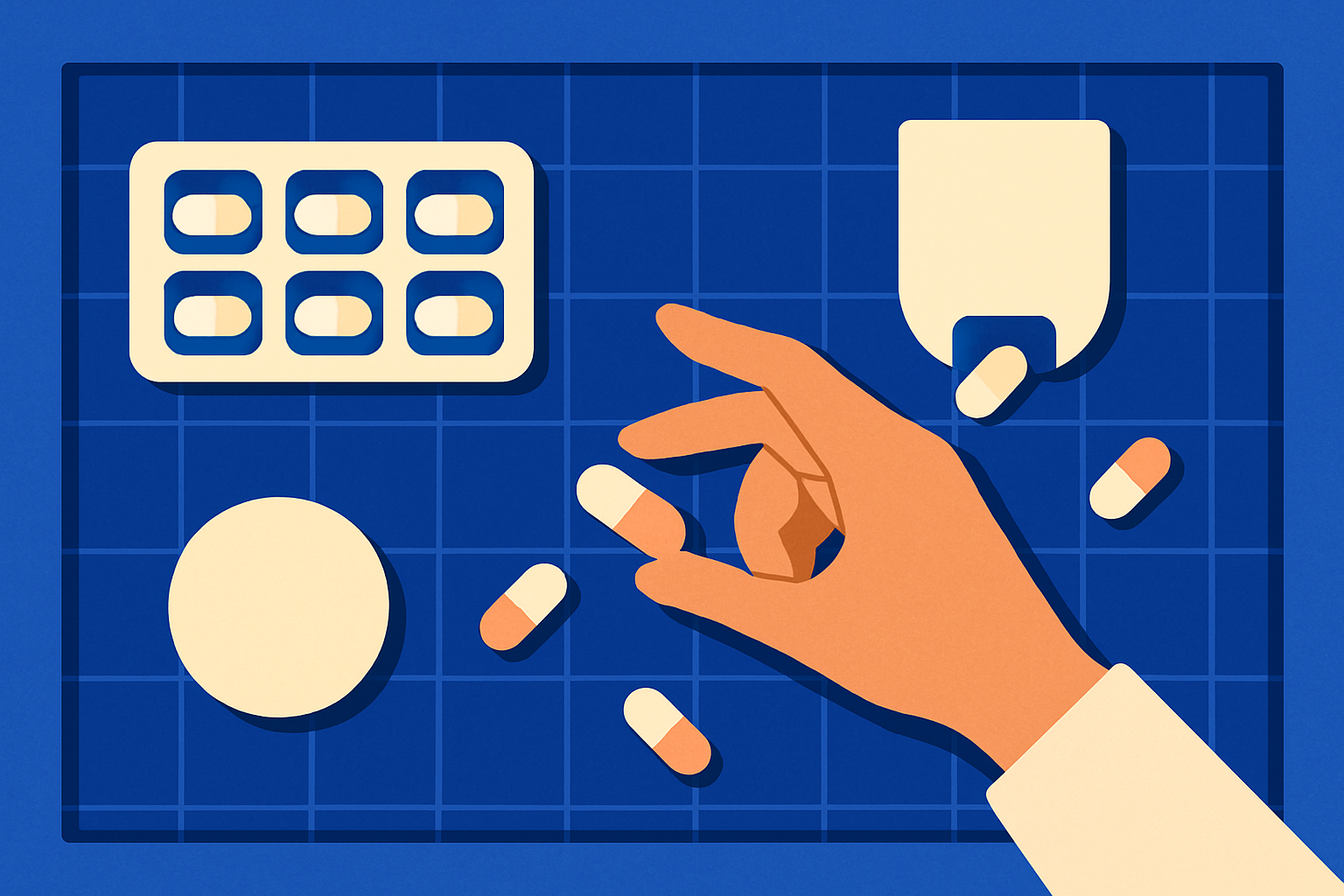
The shelves are full of tools to manage medications: pill organizers, locked dispensers, and app-connected gadgets. Following is an overview of what each tool does, who it tends to work for, and how to match the tool to the parent.

Switching from Medisafe? Here's What Changes.
Medisafe is a long-running medication-reminder app many families have used for years. In January 2026 Medisafe moved most of its core features behind a paid subscription, prompting many families to look at alternatives. Here is what changes when you switch, the data you should export first, and what to look for in a replacement.

The Beers List: Medications to Take With Caution
The Beers Criteria is the geriatrics field's consensus on which medications carry extra risk for adults over sixty-five. Here is what the list is, what it is not, and how to have a conversation with your primary care provider about your prescriptions.

What is Polypharmacy — and Why It's Dangerous After 75
Polypharmacy is the medical term for taking many medications at once — and it is the single most common medication-safety issue for adults over seventy-five. Here is what the term actually means, why the risk climbs with age, and the questions to bring to the next doctor visit.

A Thoughtful Review When Adding New Prescriptions
A new prescription is more than a new bottle — it is a change that warrants taking time to review and understand how it will affect you. Four questions can surface the answers needed to understand what to expect from a new prescription.

The Caregiver's Guide to Managing Medications for Seniors
A plain-language guide for the family caregiver who has become the unofficial medication manager — how to build the master list, run an annual review with the doctor, pick the right daily pill minder, decode a pharmacy label, spot side effects that look like dementia, and keep the list right through a hospital stay and a dementia diagnosis.