Dementia & Alzheimer's
After a dementia or Alzheimer's diagnosis, the first 30 days set the rhythm for everything that follows. Practical guides for the family meeting, the legal paperwork, and the questions to take to the neurologist.
Aging Sidekick helps family caregivers get organized and find their next step — at their own pace.
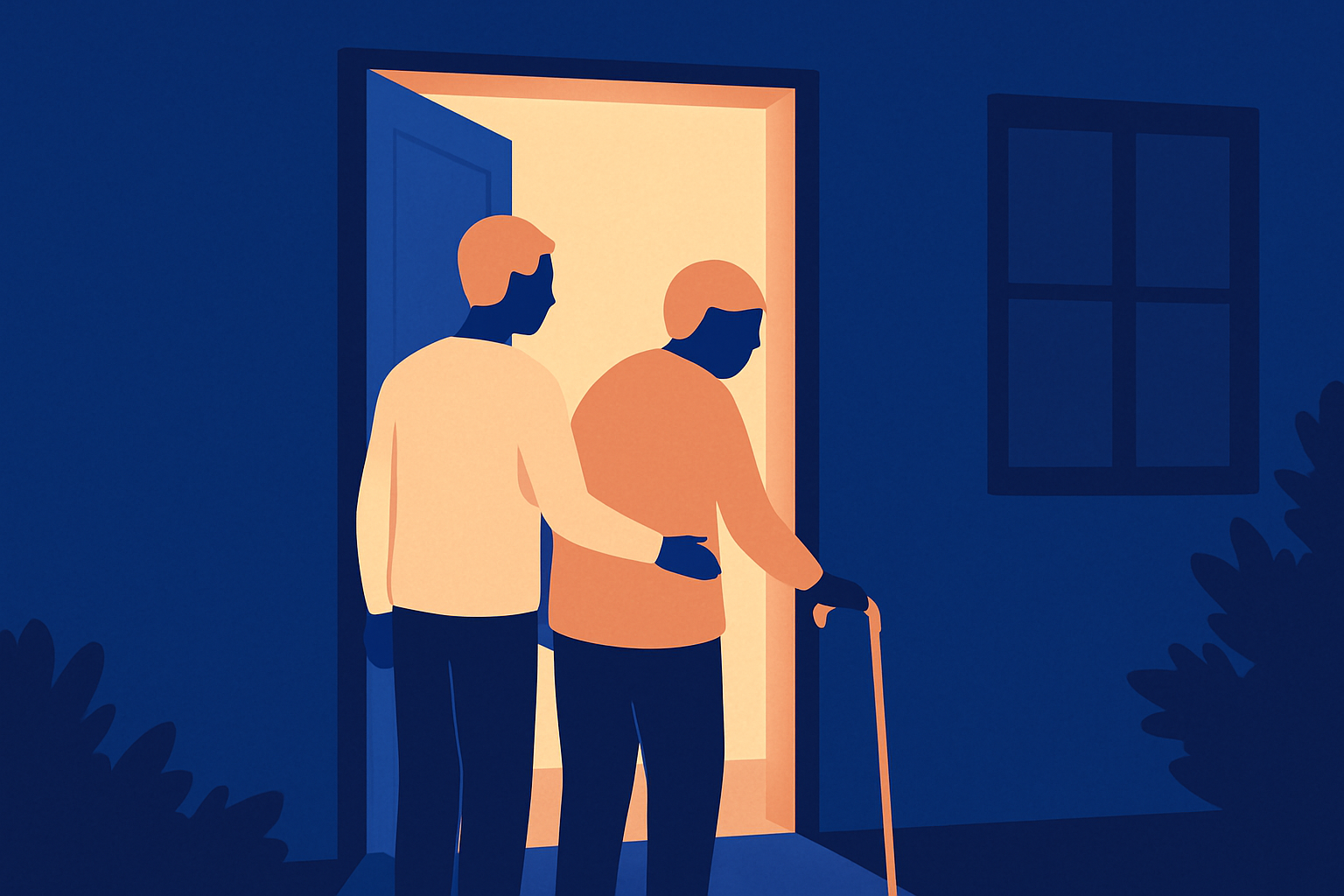
Anosognosia: When Your Parent Doesn't Know They're Sick
Anosognosia is the word for a particular kind of unawareness — a person whose brain literally cannot recognize they have an illness. It is not denial and it is not stubbornness. Here is the plain-language guide, and the conversation moves that work better than logic.
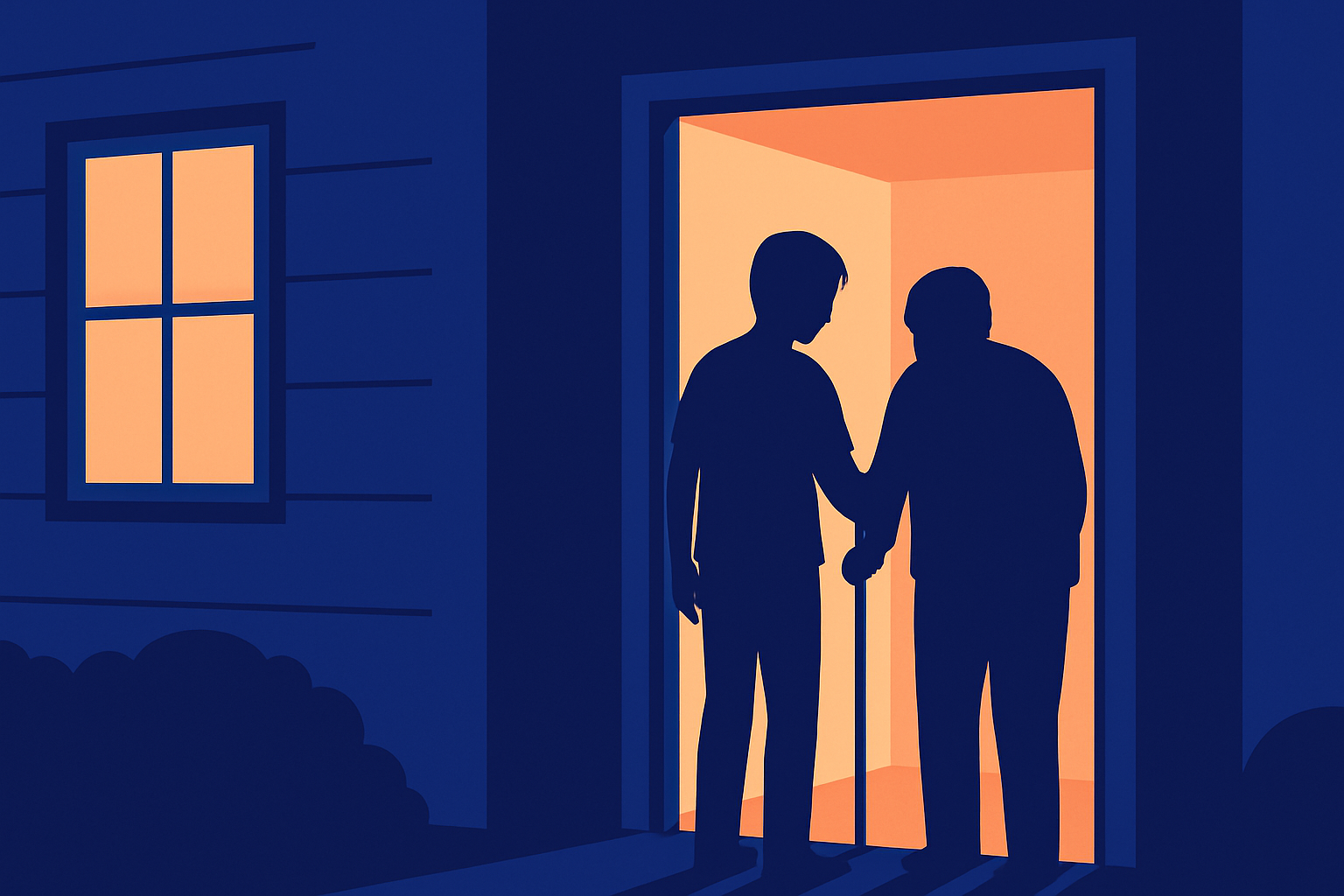
Anticipatory Grief: Mourning Who Your Parent Used to Be
Anticipatory grief is the long, quiet grieving that begins before the loss — common in families caring for a parent with dementia. Here is the language for it, what other families have found steadying, and why the grief is not a sign you are doing something wrong.
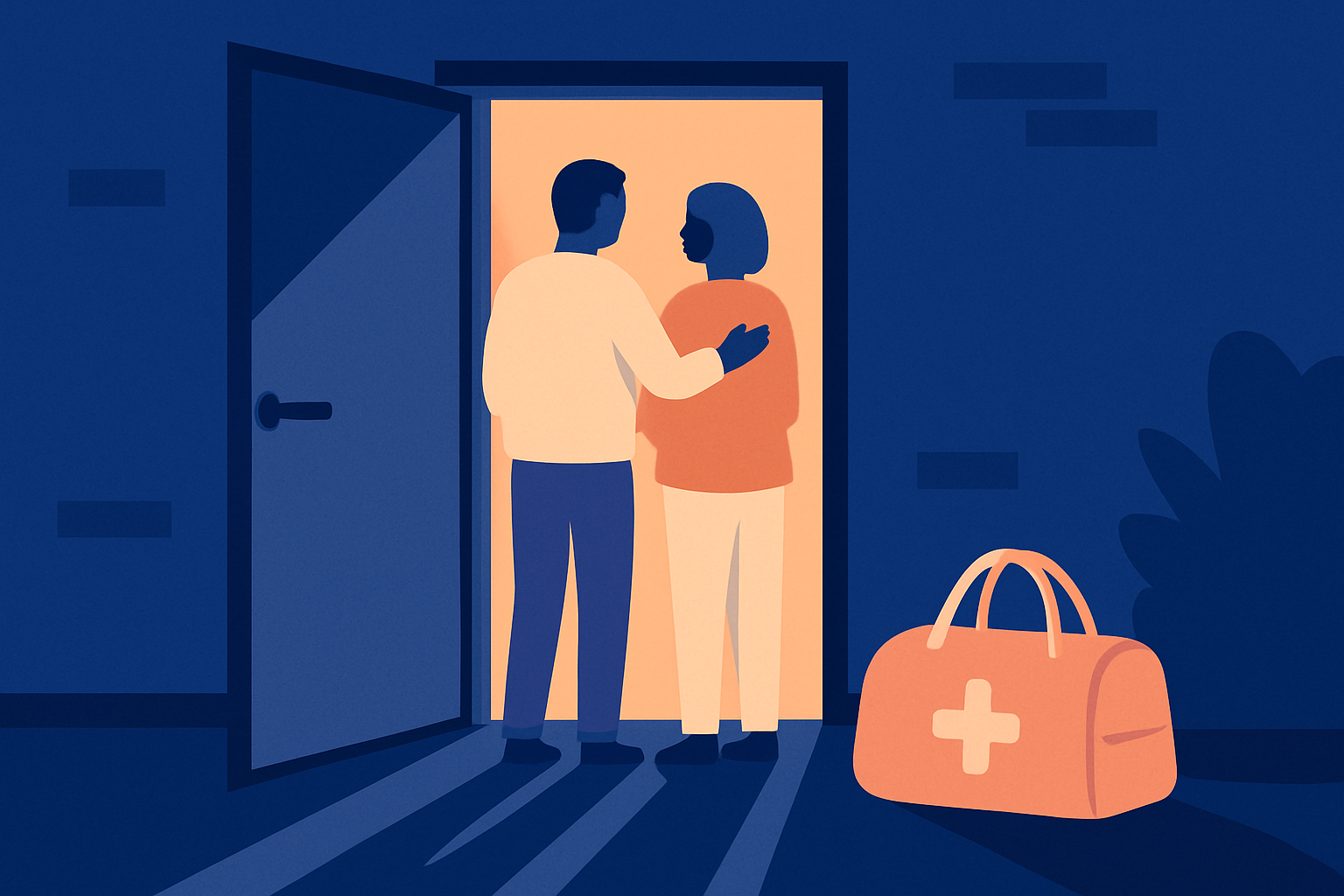
What to Put in a Dementia 'Go-Bag' for ER Visits
ER visits with a parent who has dementia can be harder than typical ER visits. A pre-packed 'go-bag' on the closet shelf saves an hour at the door and an evening of trying to remember what year a medication was started.
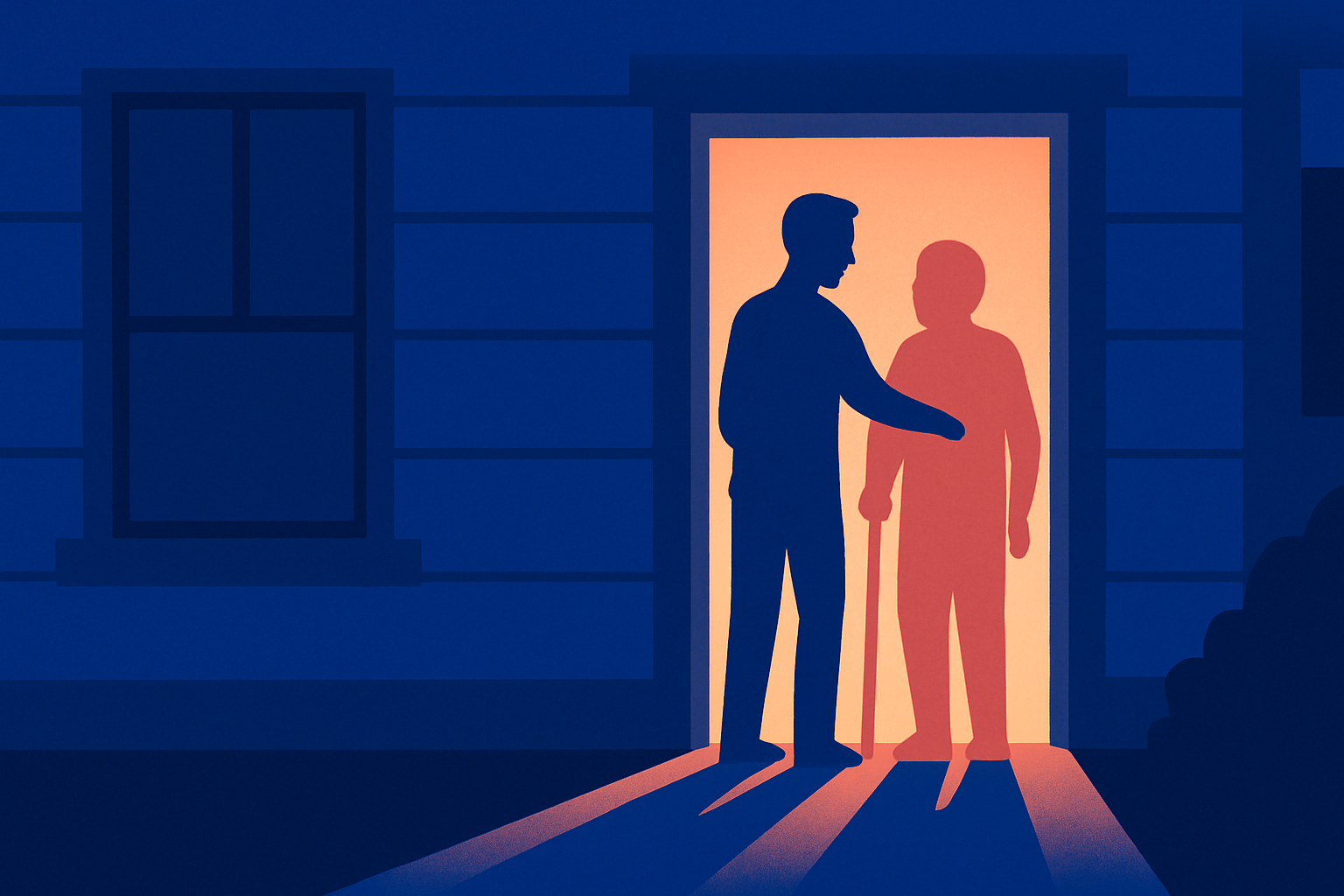
7 Signs Your Parent Shouldn't Live Alone Anymore
Signs for an adult child or a caregiver to help determine if their parents or senior can no longer be safe living alone

Dementia Types: How to Tell Them Apart
Dementia is an umbrella term for a set of symptoms, not a single disease. Here is the plain-language guide to the four most common types — Alzheimer's, vascular, Lewy body, and frontotemporal — what each one looks like at home, and why the difference matters for the care plan.
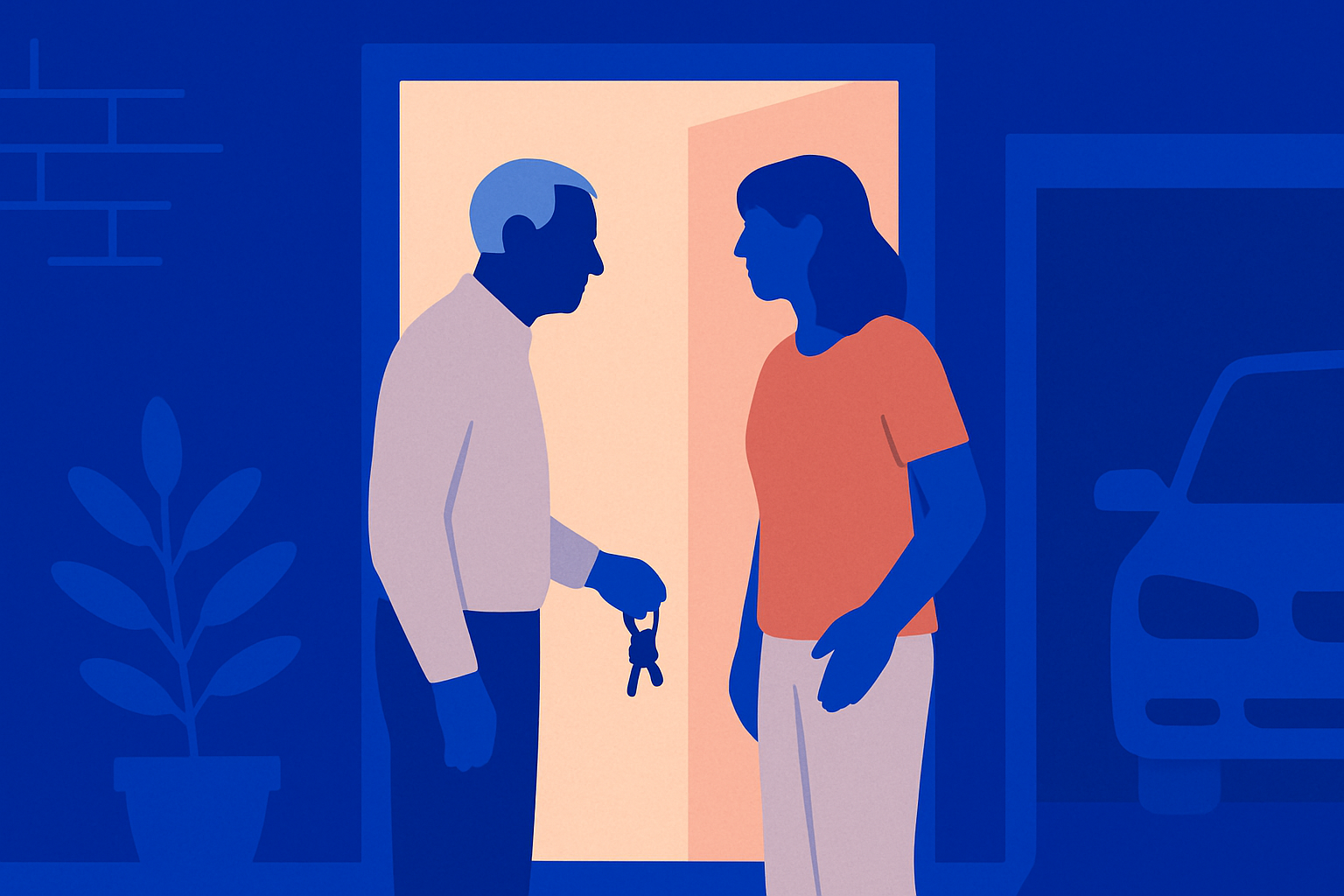
Driving and Dementia: The Conversation No One Wants to Have
Driving is one of the hardest conversations after a dementia diagnosis — it is independence, identity, and routine all in one. Here is what to consider, what families have tried, and how to keep the conversation about safety without making it about the parent.
How Dementia Changes the Family — and How to Keep the Family
A dementia diagnosis does not impact one person — it impacts the family. Here is the plain-language look at what families often notice changing in the first year, the recurring fault lines between siblings, and the habits that keep a family together.
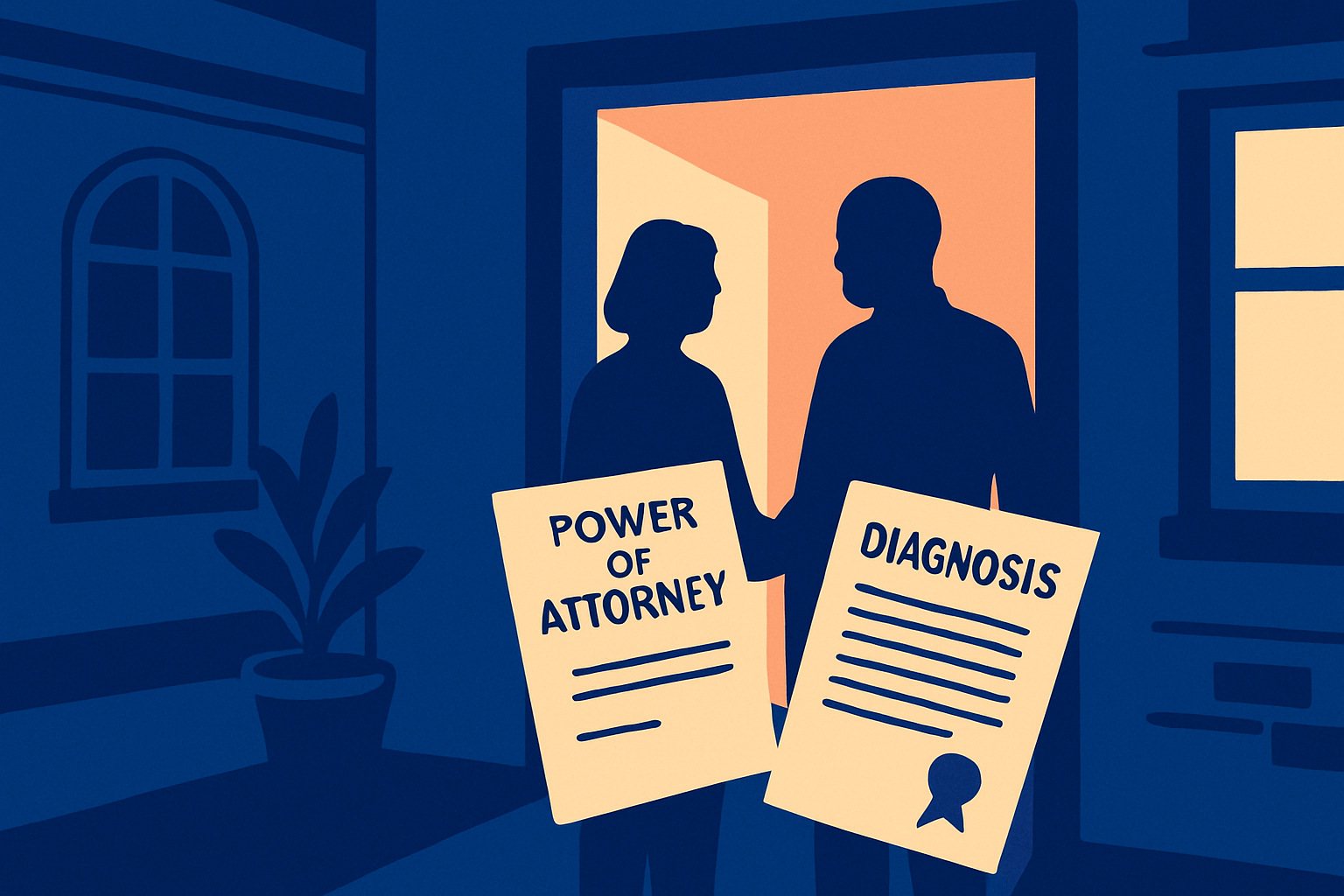
Why POA Should be in Place Before, Not After, the Diagnosis
Power of attorney is the document that lets you act on your loved one's behalf when their mental capacity slips. Many families wait too long. Learn what changes if you sign before vs. after a dementia diagnosis, and the calm conversation that gets the document started.
Should I Move My Parent in With Me?
Moving a parent in is one of the largest decisions a family makes after a dementia diagnosis. Here is the honest set of questions to ask before you decide — about the home, the family, the work, the marriage, and the parent's actual needs.
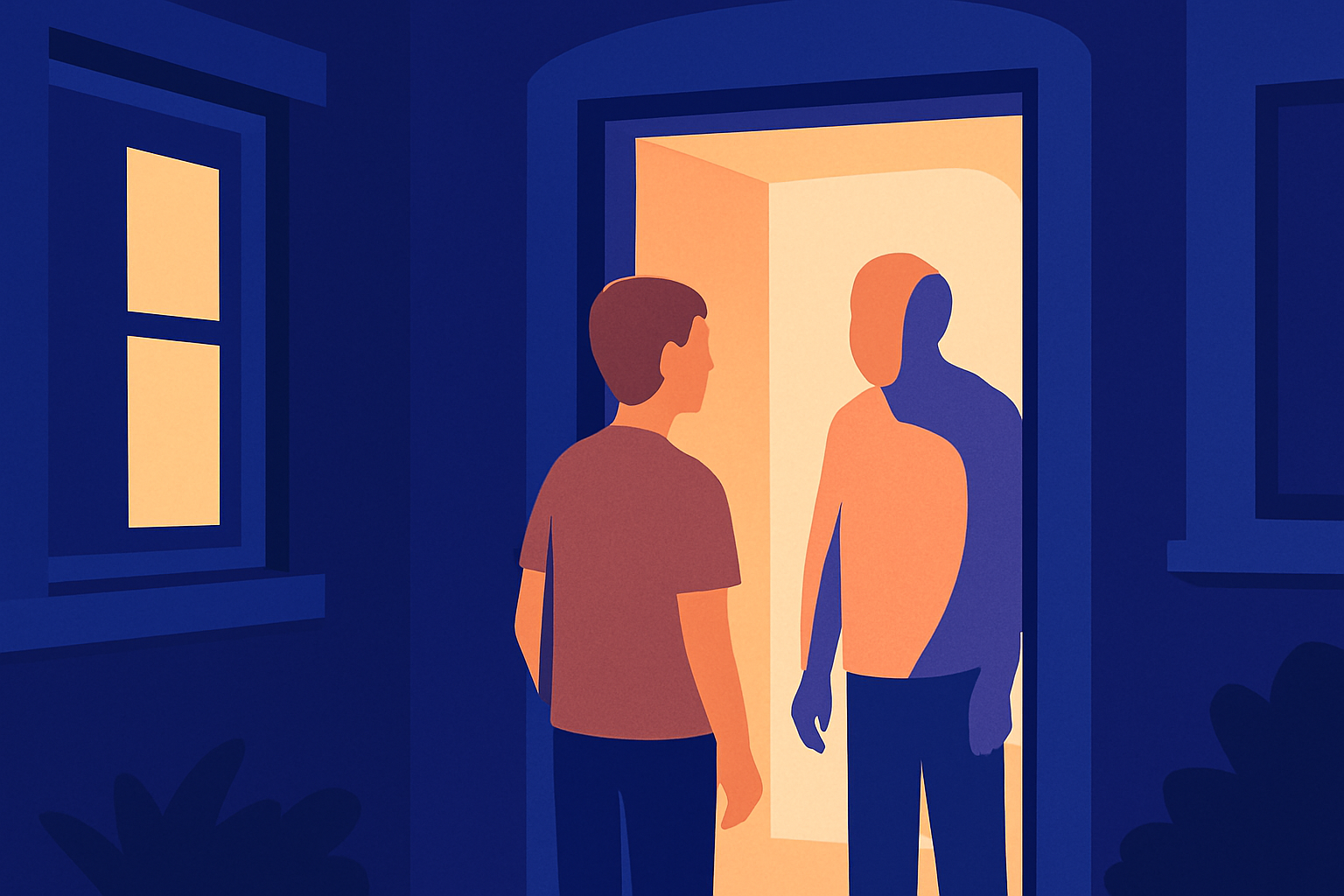
Sundowning at 2 a.m.: What's Happening and What to Try First
Sundowning is the late-day or middle-of-the-night confusion that is a common symptom with dementia, and can be difficult to manage. Here is what is happening, what families often try first that helps, and what to mention to the doctor when it does not.
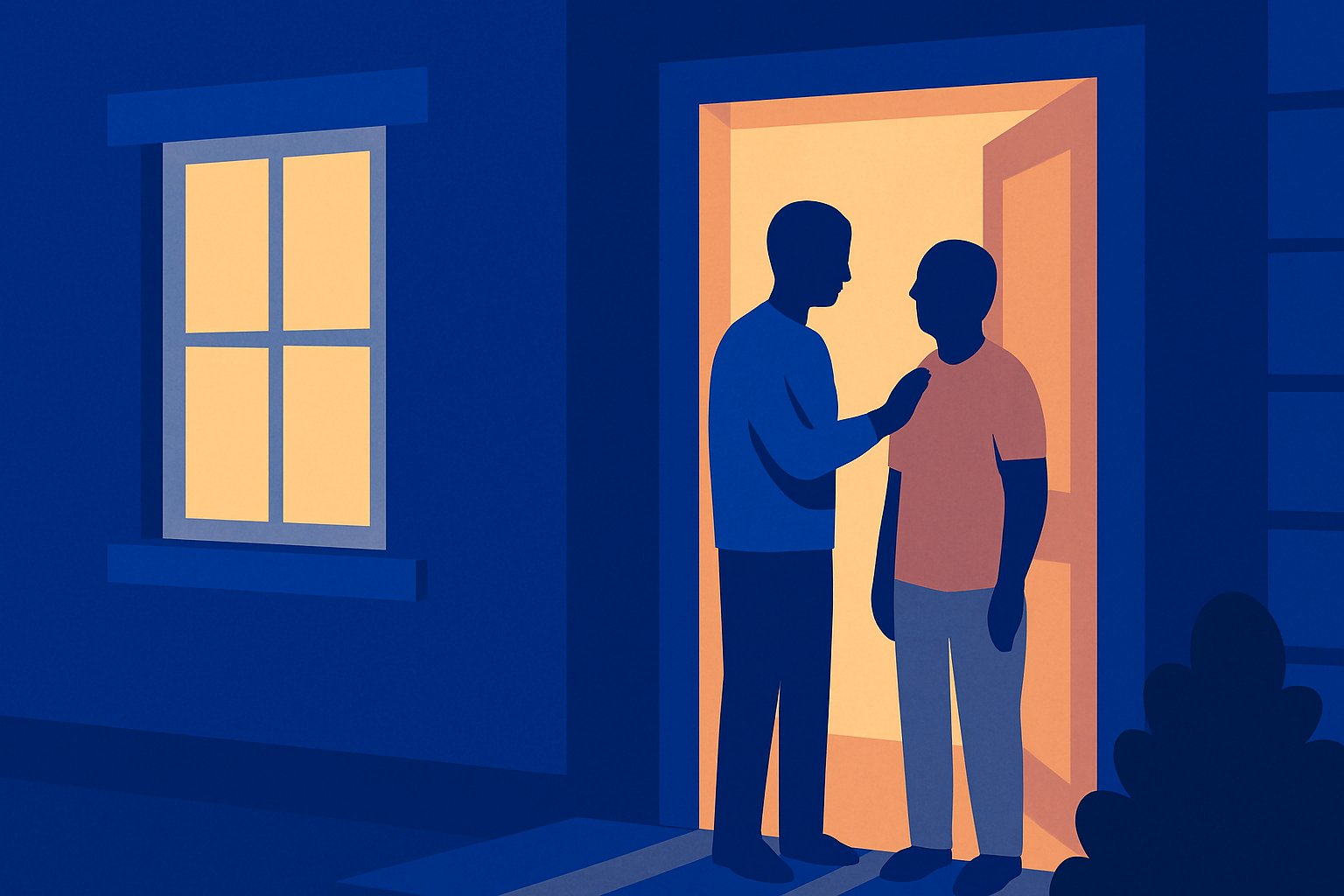
How to Talk to a Parent in Denial About Their Diagnosis
When a parent will not accept the dementia diagnosis, every direct conversation tends to make it worse. Here is what other families have found useful, the conversation moves to consider, and why 'winning the argument' is rarely the goal.
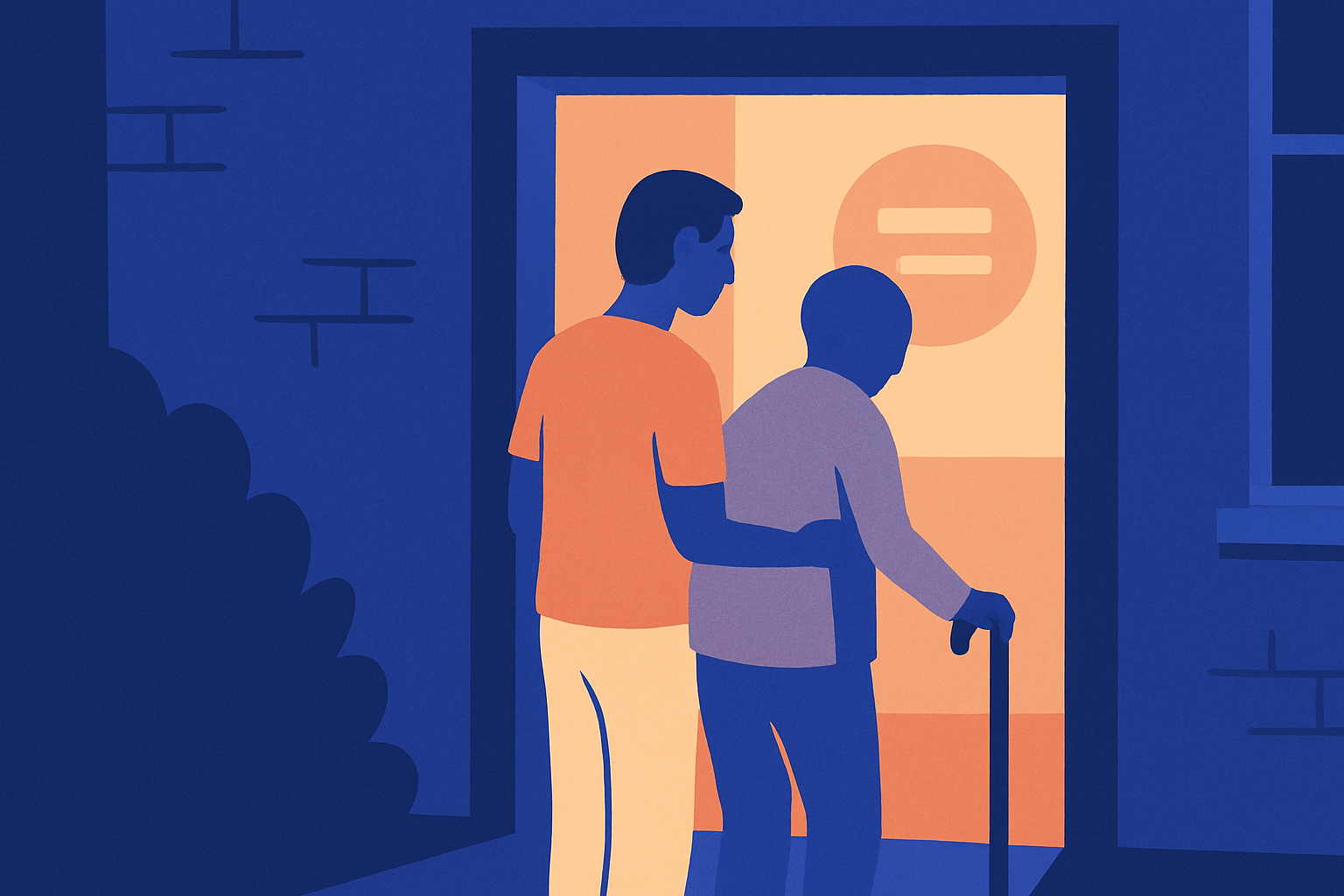
What Stage of Dementia is My Parent In?
Families caring for someone with dementia often ask 'what stage are we in?' looking for a roadmap. Here is what the common dementia-staging frameworks actually describe, what they cannot predict, and how to use stages without letting the label drive the day-to-day decisions.
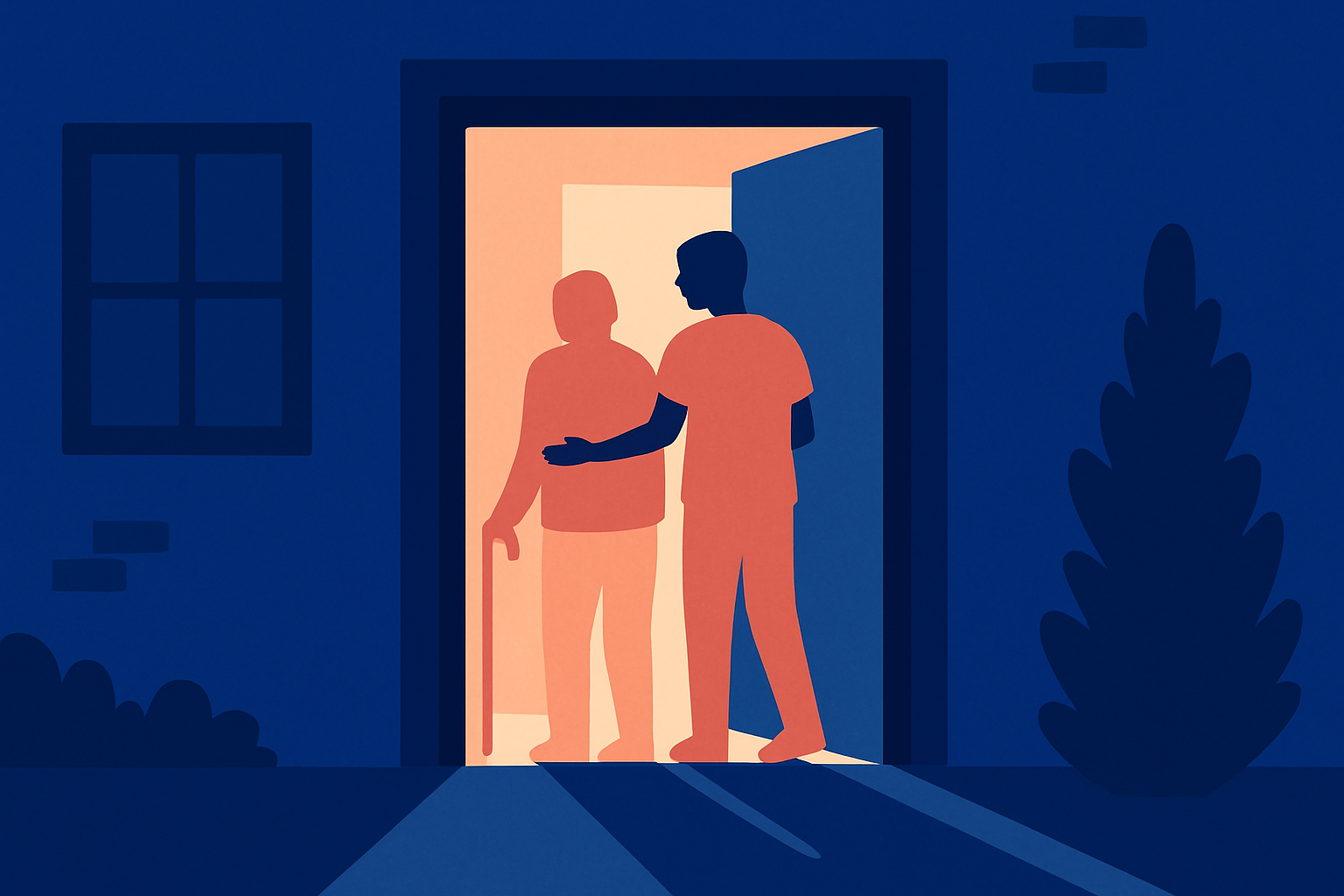
When is it Time for Memory Care?
The 'is it time for a memory care community'? question is the one most families circle for months. Here are the signs families and clinicians often watch for, the questions to take to the next doctor visit, and how to start a tour without it feeling like a goodbye.
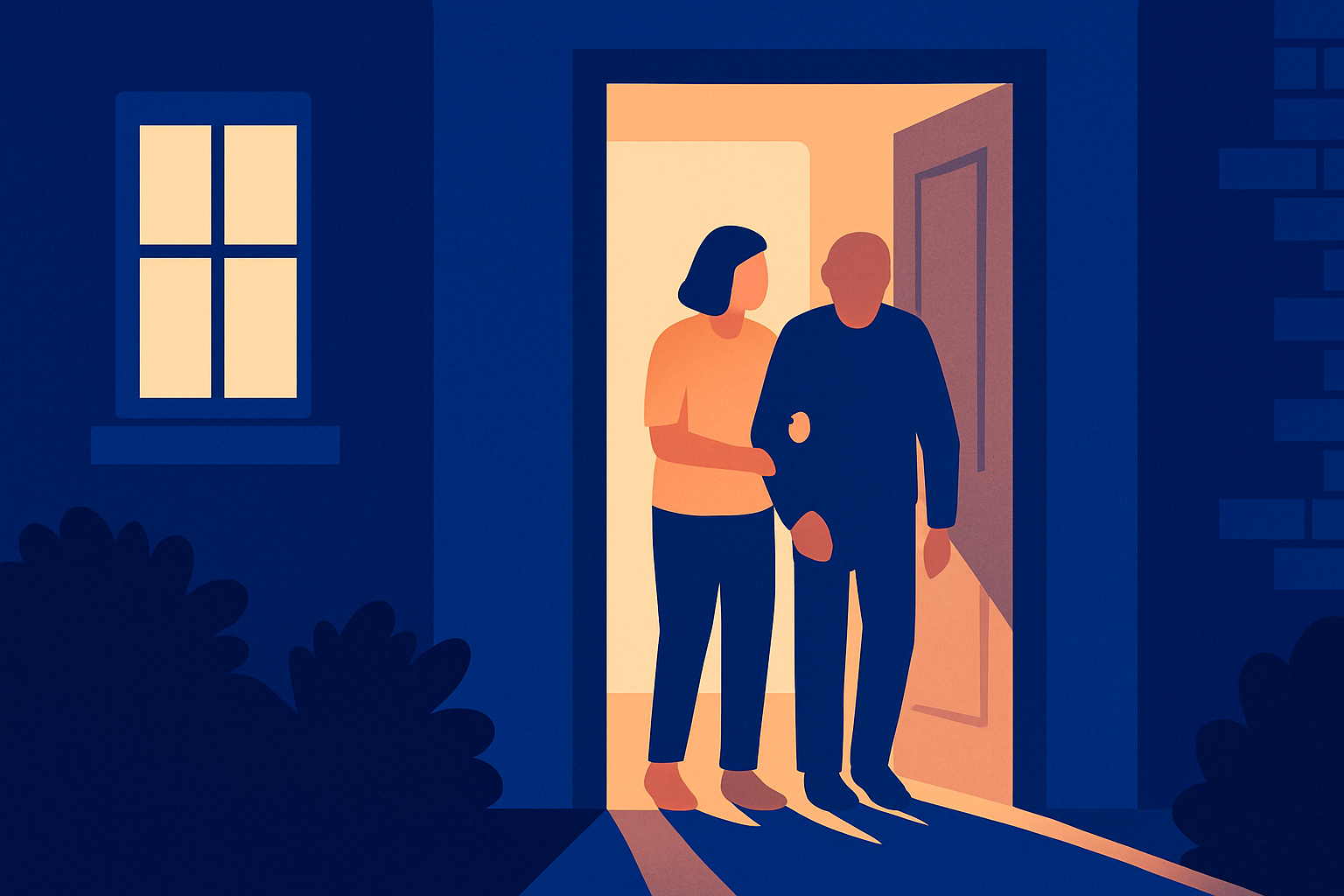
The First 30 Days After a Dementia Diagnosis: A Family Playbook
A 30-day playbook for the family of a loved one who has just been diagnosed with dementia or Alzheimer's — what to do in the first 48 hours, who to build into the care team, the legal and financial paperwork to start now, and how to talk to siblings, extended family, and the parent themselves.
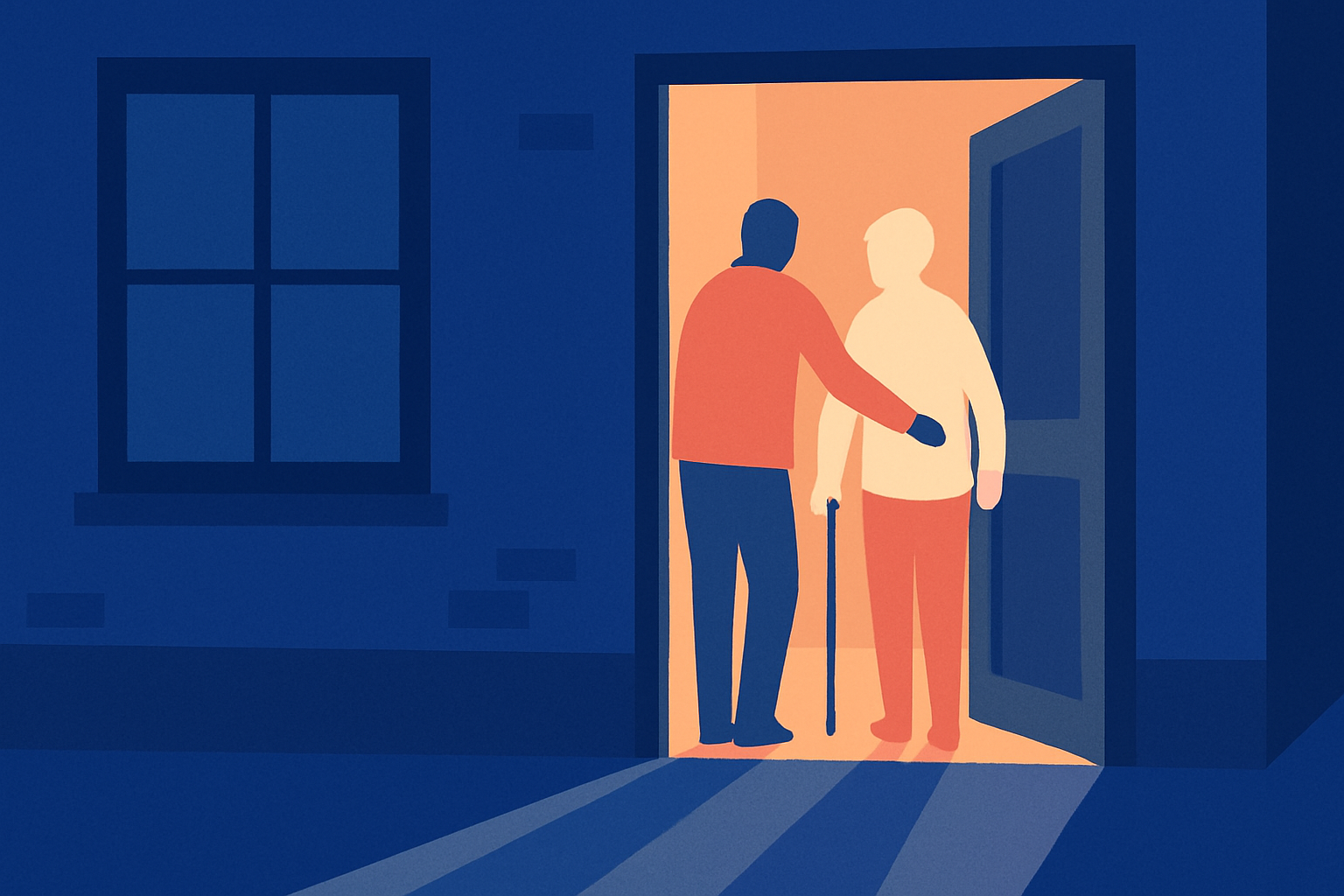
Helping Loved Ones Transition to Assisted Living: Tips for Adult Children
Most older adults want to stay in their homes for as long as possible—according to AARP, nearly 77% of people aged 50 and older say they want to “age in place". Some people embrace moving into an apartment at an assisted living community, and others actively resist it. If your aging family member's care needs are not being met in their home, assisted living can be a great option.
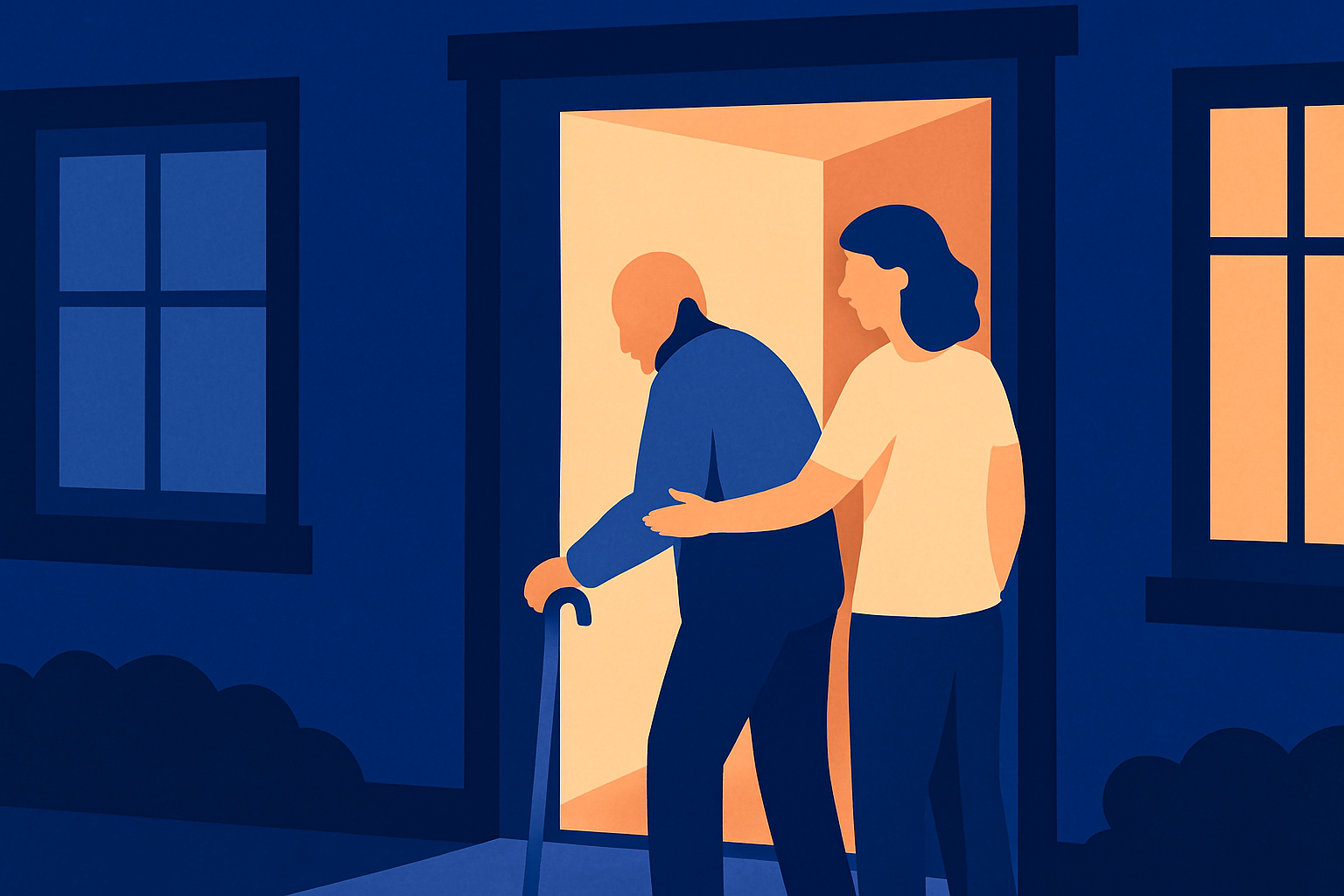
Helping Loved Ones Transition to Memory Care: Tips for Adult Children
Making the decision to move a loved one into memory care can be difficult. Unlike a typical move to assisted living, transitioning to memory care comes with the added complication of cognitive decline. When a parent is living with dementia or Alzheimer’s, the challenges multiply—not just for them, but for everyone who loves and cares for them.

Dementia vs Alzheimer’s: Understanding the Different Types of Dementia
Many people use 'dementia' and 'Alzheimer’s' interchangeably, but dementia describes a range of conditions or symptoms —including Alzheimer’s disease.