Hospital Discharge
When the hospital is sending your parent home, the discharge clock starts immediately. Practical guides for the next 48 hours — the questions to ask, the unsafe-discharge script, and the home-care plan that keeps everyone safe.
Aging Sidekick helps family caregivers get organized and find their next step — at their own pace.
Aging in Place: What it Means and How to Do It Safely
Most older adults want to stay home as they age — but wanting it and planning for it are two different things. This guide covers what aging in place actually entails.
An Ounce of Prevention: Simple Home Changes That Prevent Trips to the ER
“An ounce of prevention is worth a pound of cure." Taking time to consider how to prevent accidents or bigger challenges as we age is well worth the effort.
How Advocating for Your Parent Improves Care Collaboration
Advocating for a family member at the hospital is a valuable skill that you can learn. Here are the small phrases, the meeting habits, and the written-record discipline that improve communication with the healthcare team.
After the ER: the first 24 hours at home
ER discharges happen fast and the instructions can be confusing or feel overwhelming. Here is the first-24-hours plan for the family bringing an aging loved one home from the emergency department — what to ask before you leave, what to set up tonight, and when to call back.
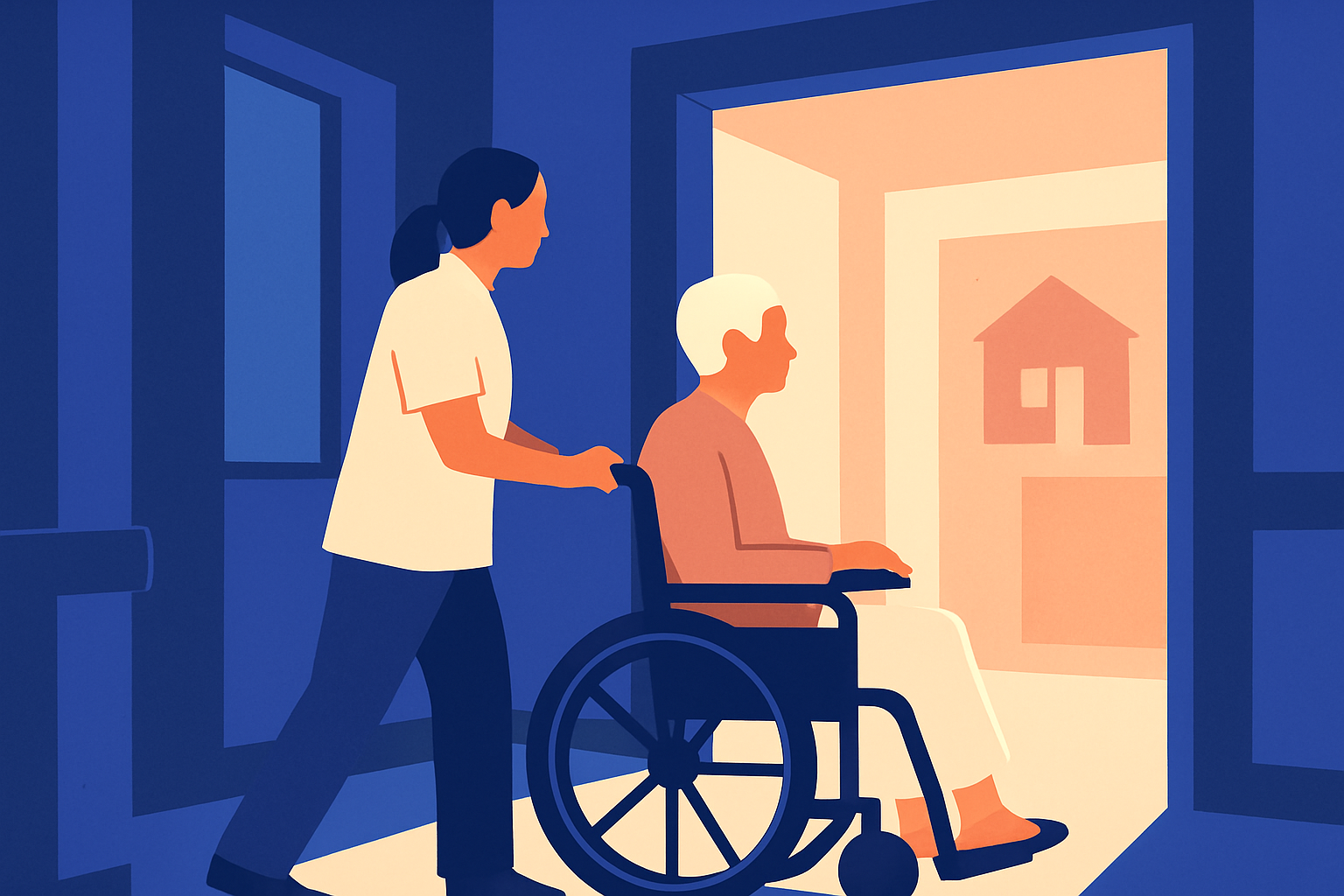
When it's time to decide on a 'nursing home of your choice'
Sometimes the hospital case manager hands you a printed list of rehab centers and asks the family to pick one — quickly. Here is what that phrase actually means, what your rights are, and how to slow the choice down without delaying discharge.
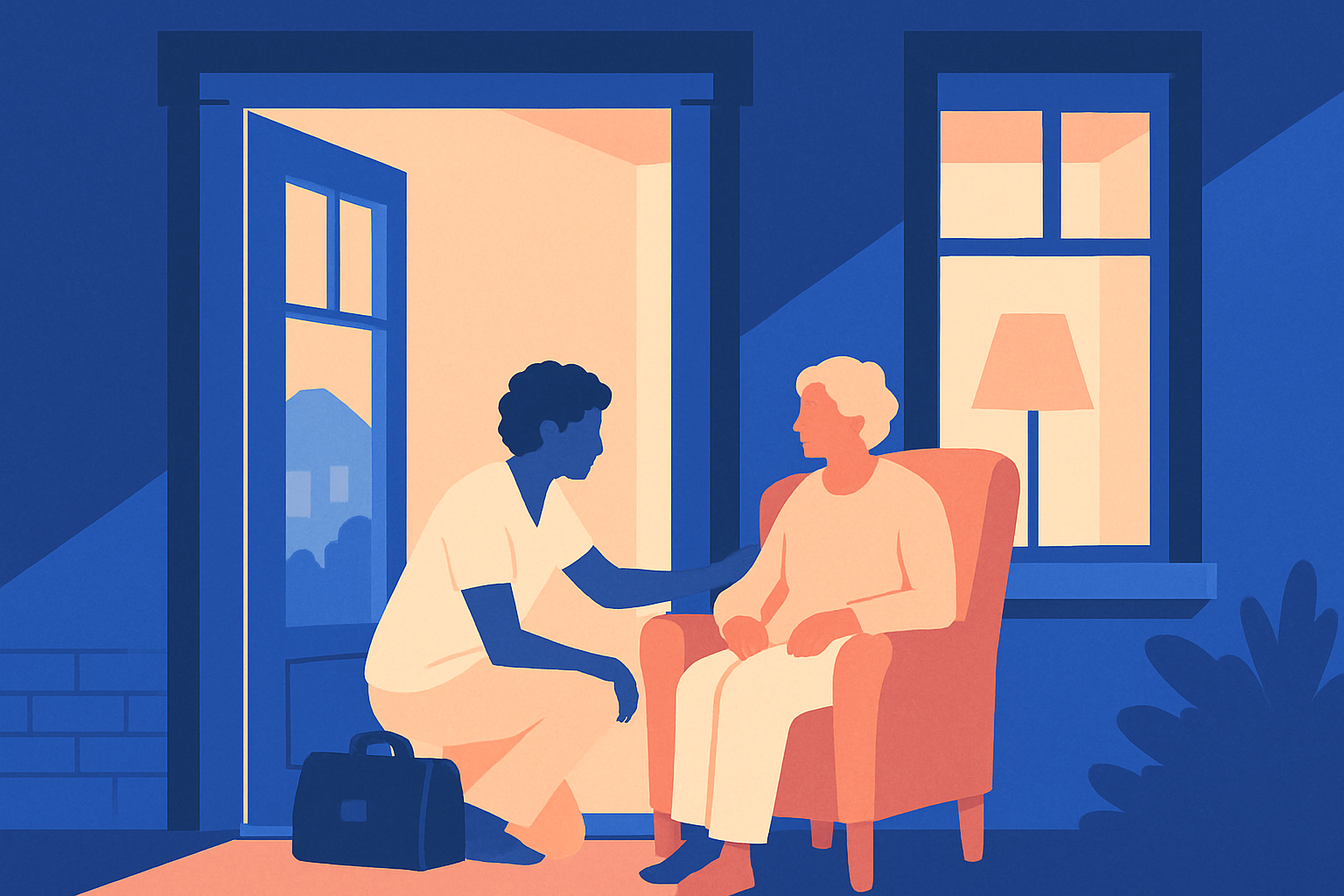
Home health vs. SNF vs. acute rehab: which one is the right one?
After a hospital stay, people often get follow-up care and therapy through one of the following: return home with home-health visits, go to an inpatient skilled nursing facility (also called "rehab"), or go to a higher-level of inpatient rehab called an acute-rehab unit. Here is what each one actually does, what Medicare covers, and how to tell which one fits.
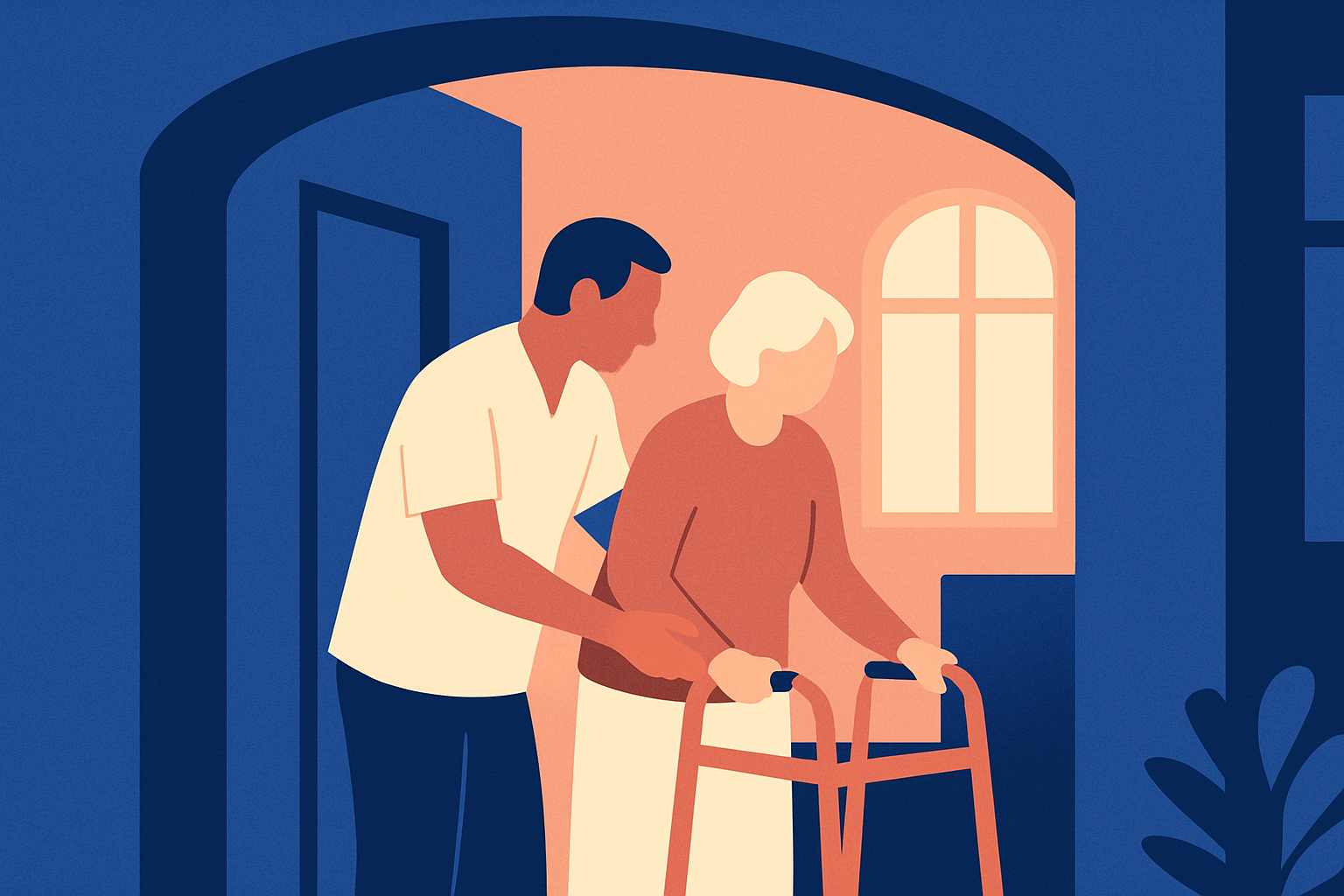
Medicare's 3-day rule for rehab, explained for caregivers
Medicare only covers skilled-nursing-facility rehab after a qualifying inpatient hospital stay. Here is the 3-day rule in plain language, why 'observation status' can disqualify a stay, and how to verify the status before discharge.
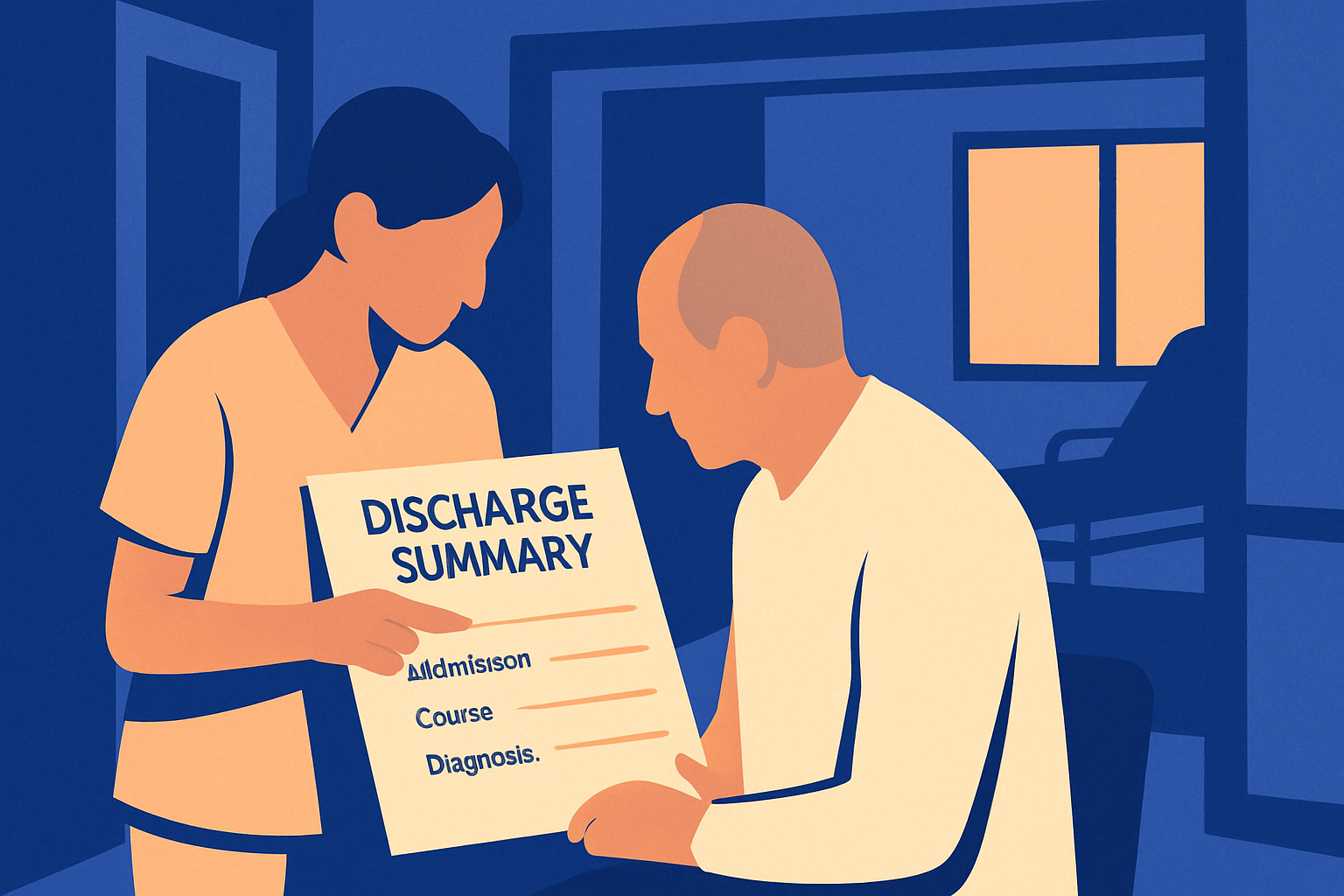
Reading the discharge summary: a line-by-line walkthrough
The discharge summary is the multi-page packet you get on the way out of the hospital or rehab. It has multiple sections outlining the patient's medical care needs after discharge. Here is a section-by-section walkthrough — what to read first, what to circle, and what to ask about before you leave.
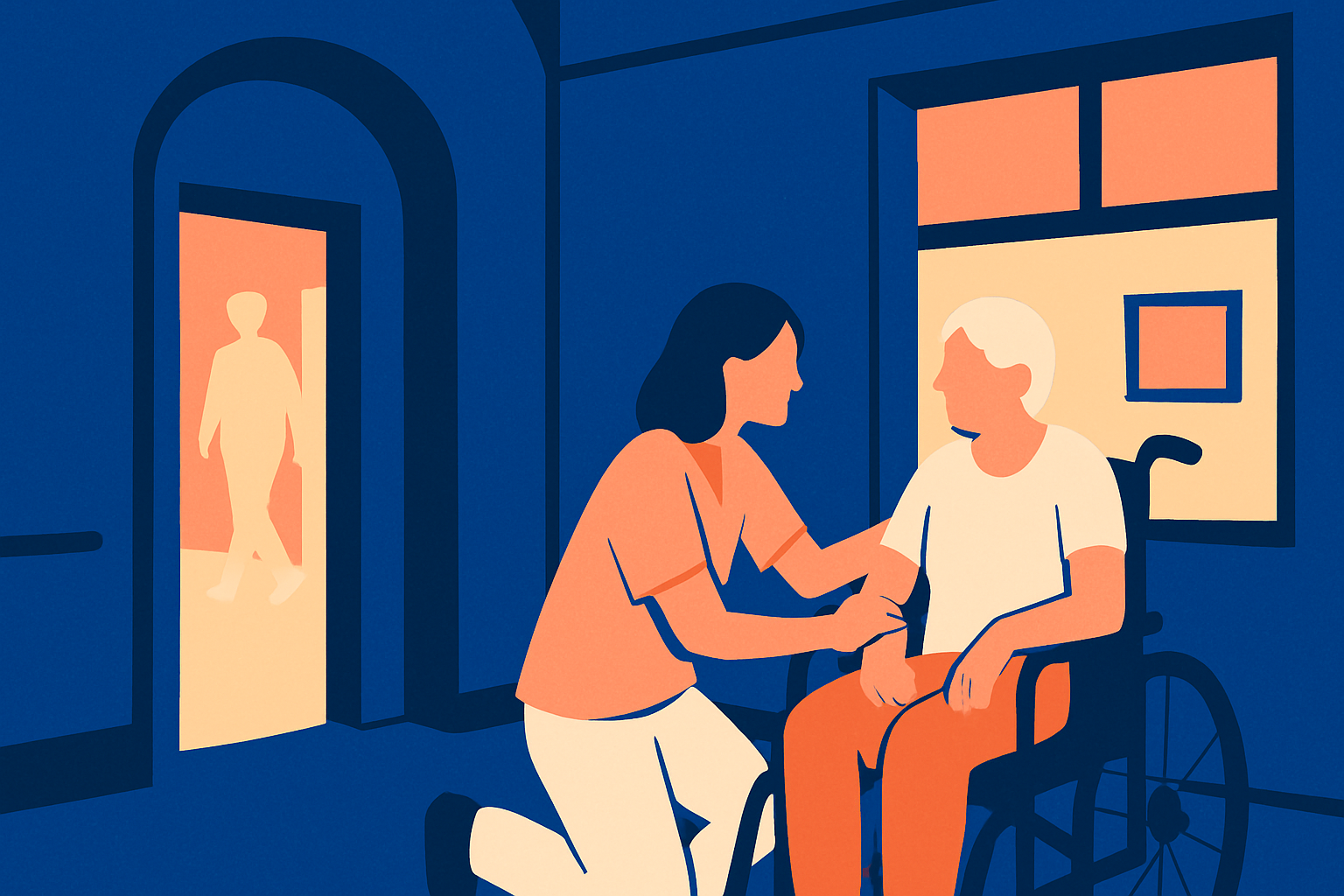
How to plan for a safe discharge from hospital to home
A "safe discharge" is a real term in hospital discharge planning. Here is what it means, and how to talk with the hospital staff about a care plan that supports a safe discharge.
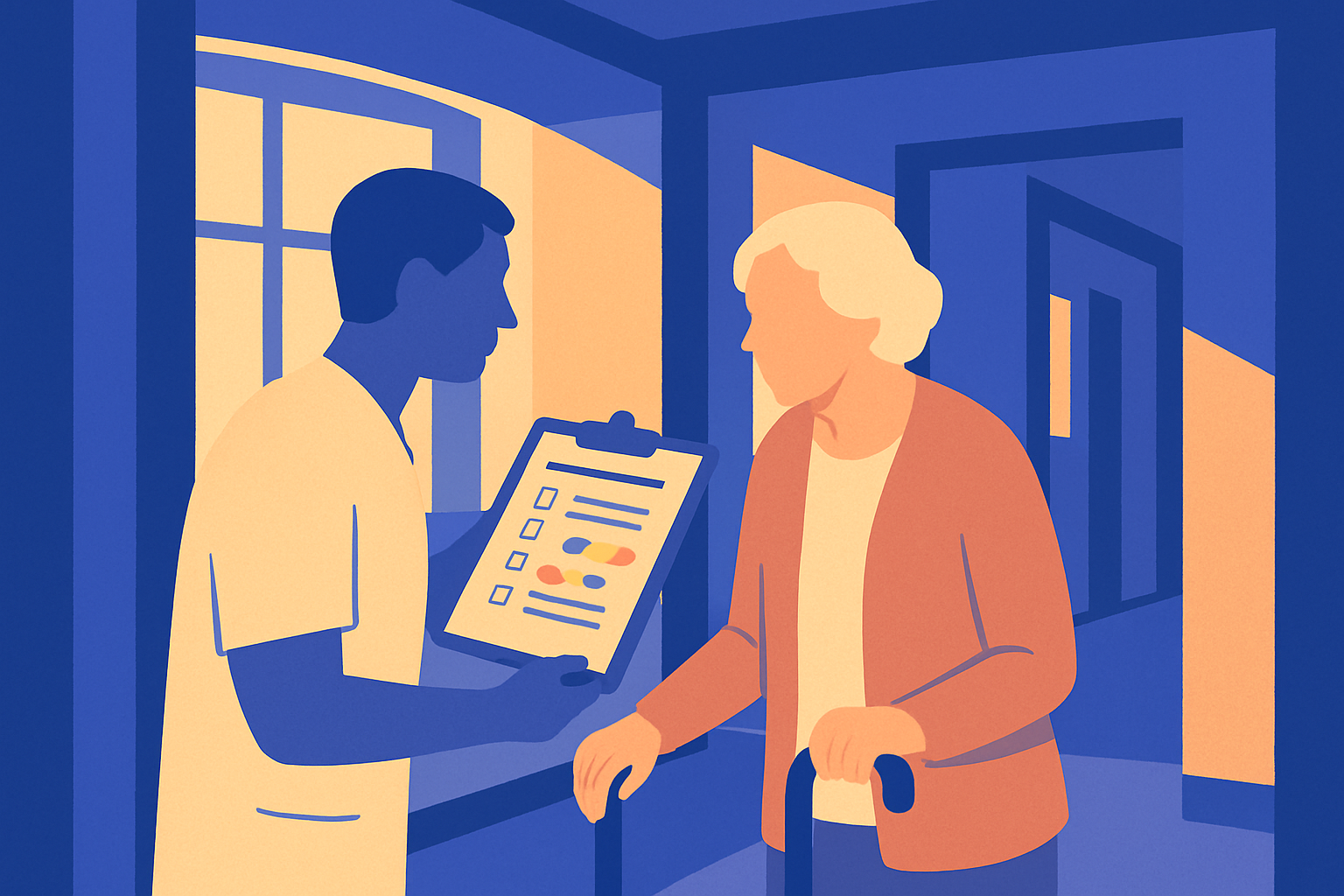
What is medication reconciliation — ensuring your parent's med list is correct
Medication reconciliation is the process of matching the pills your parent actually takes against the list the hospital sends home. Medication errors are the single most common reason that people return to the hospital. Here is how to run it yourself, in plain language.
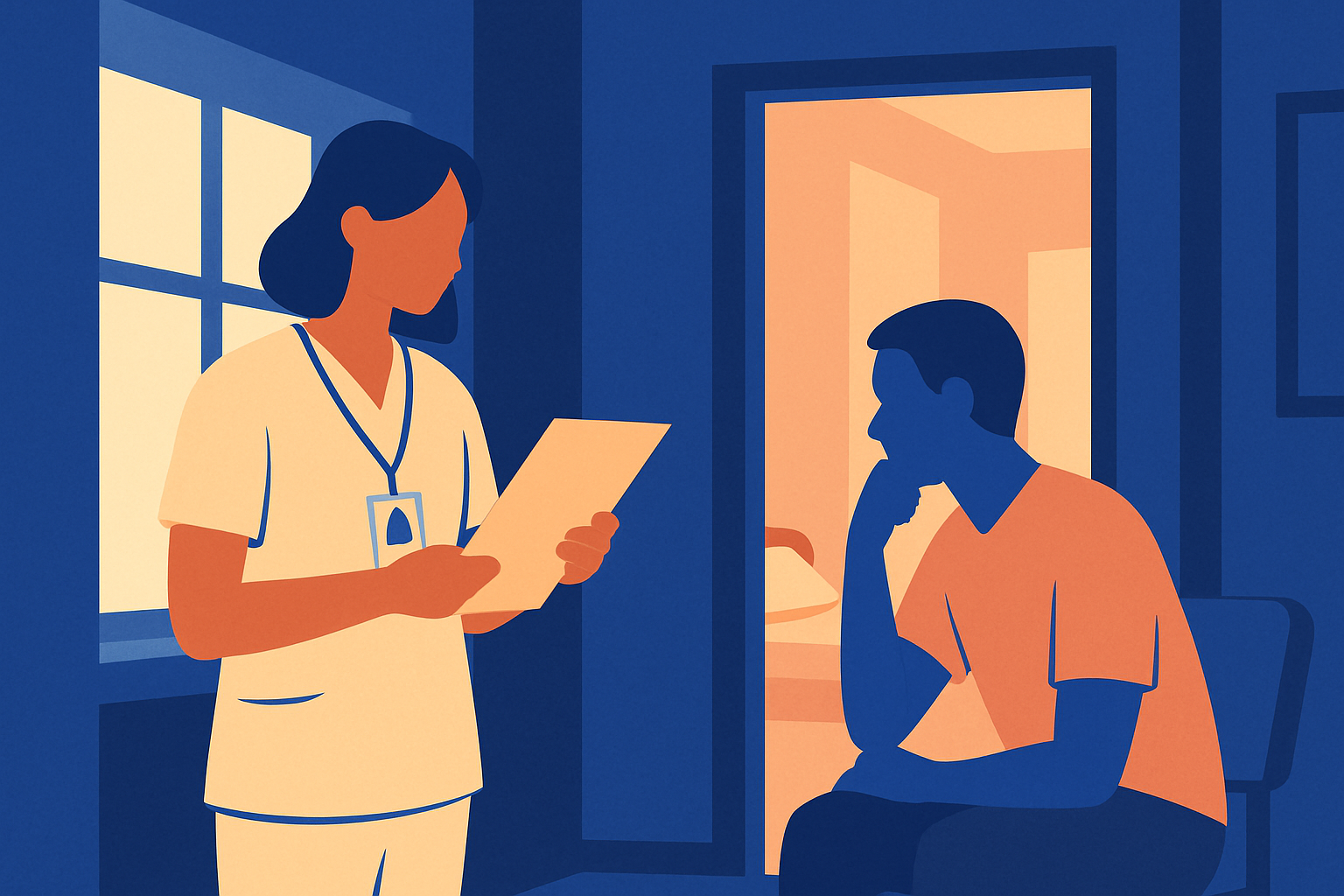
What to ask the hospital case manager (a script)
A printable script of the questions to ask the hospital case manager (or discharge planner) before your parent leaves the hospital — diagnosis in plain English, medications, equipment, follow-up, and who to call after hours.
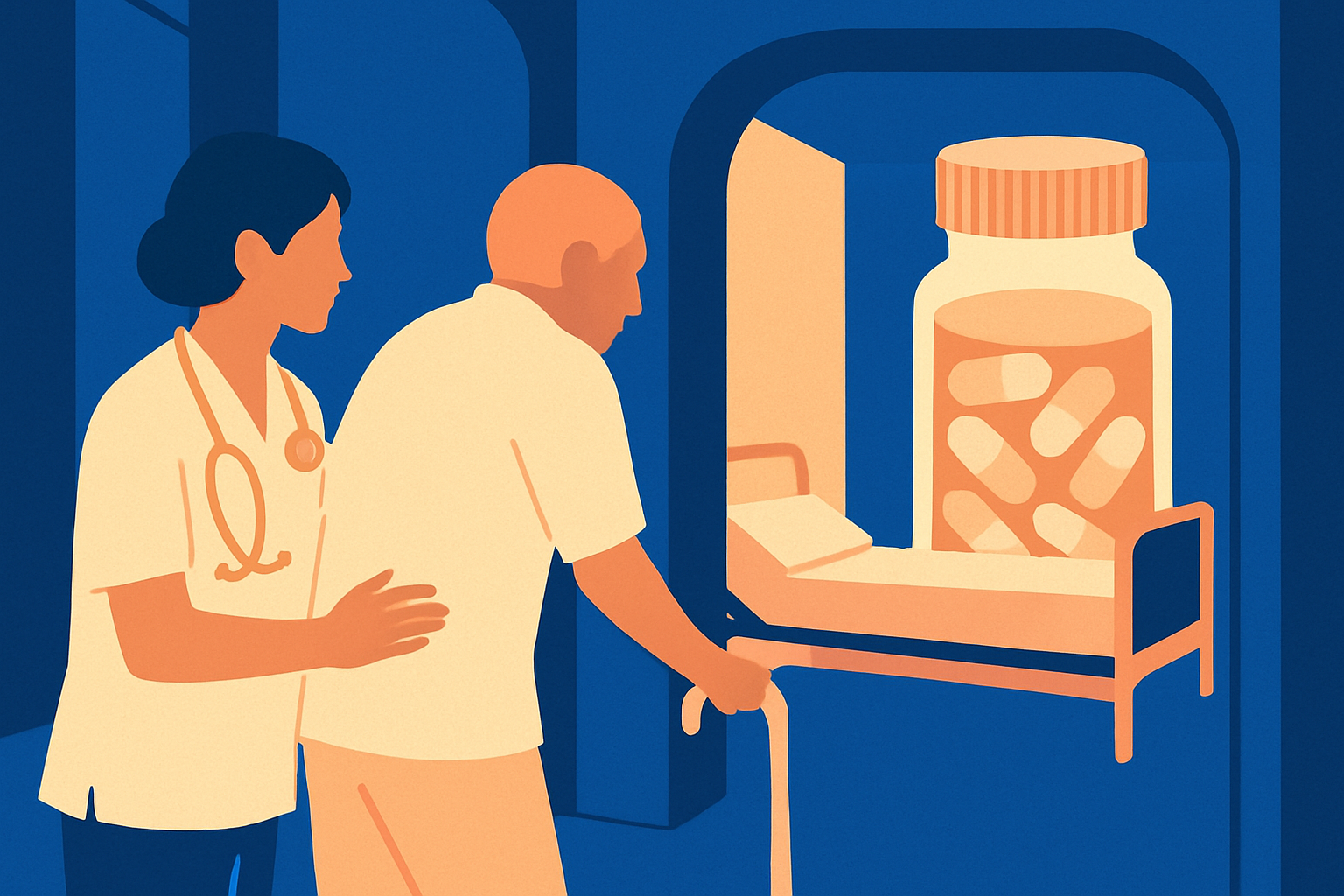
Why hospital readmissions happen — and how to prevent the next one
About one in five older adults is readmitted within 30 days of a hospital stay. Most readmissions follow the same three failure patterns — medication errors, missed follow-up, and warning signs caught too late. Here is how to spot each one early.
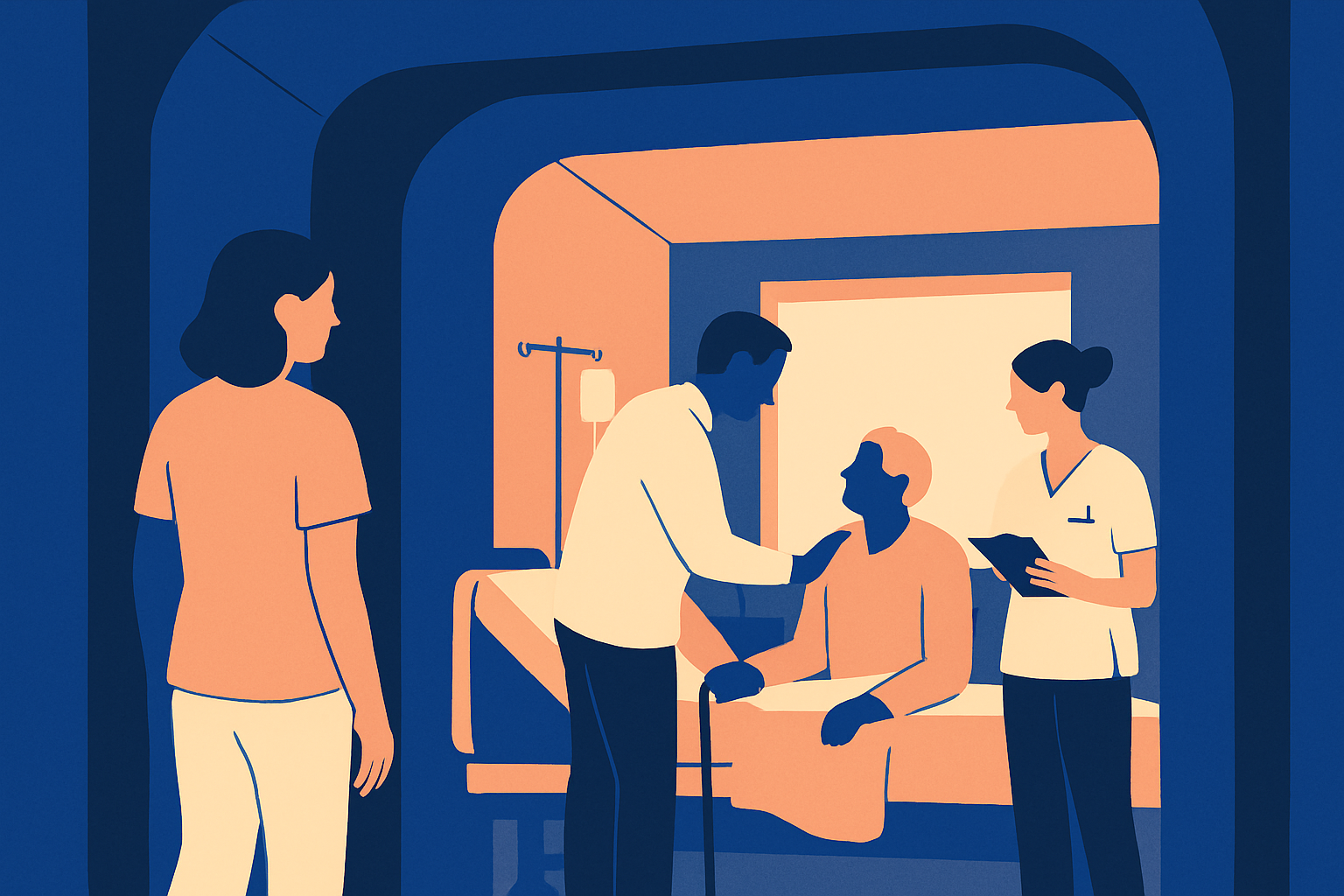
The 48-Hour Hospital Discharge Plan for Aging Parents
A plain-language 48-hour plan for the days around a hospital discharge — what to do before the discharge meeting, how to read the paperwork, how to set up the home, and how to navigate the first two weeks to prevent a readmission.
Aging in Place: Creating a Safe and Comfortable Home for Seniors
Aging in place refers to seniors' desire and ability to live in their own homes safely, independently, and comfortably, regardless of age or ability level.
Rehab vs. Nursing Home: What’s the Difference?
Learn the simple differences between rehab centers and nursing homes to help pick the right care for you or your loved one.
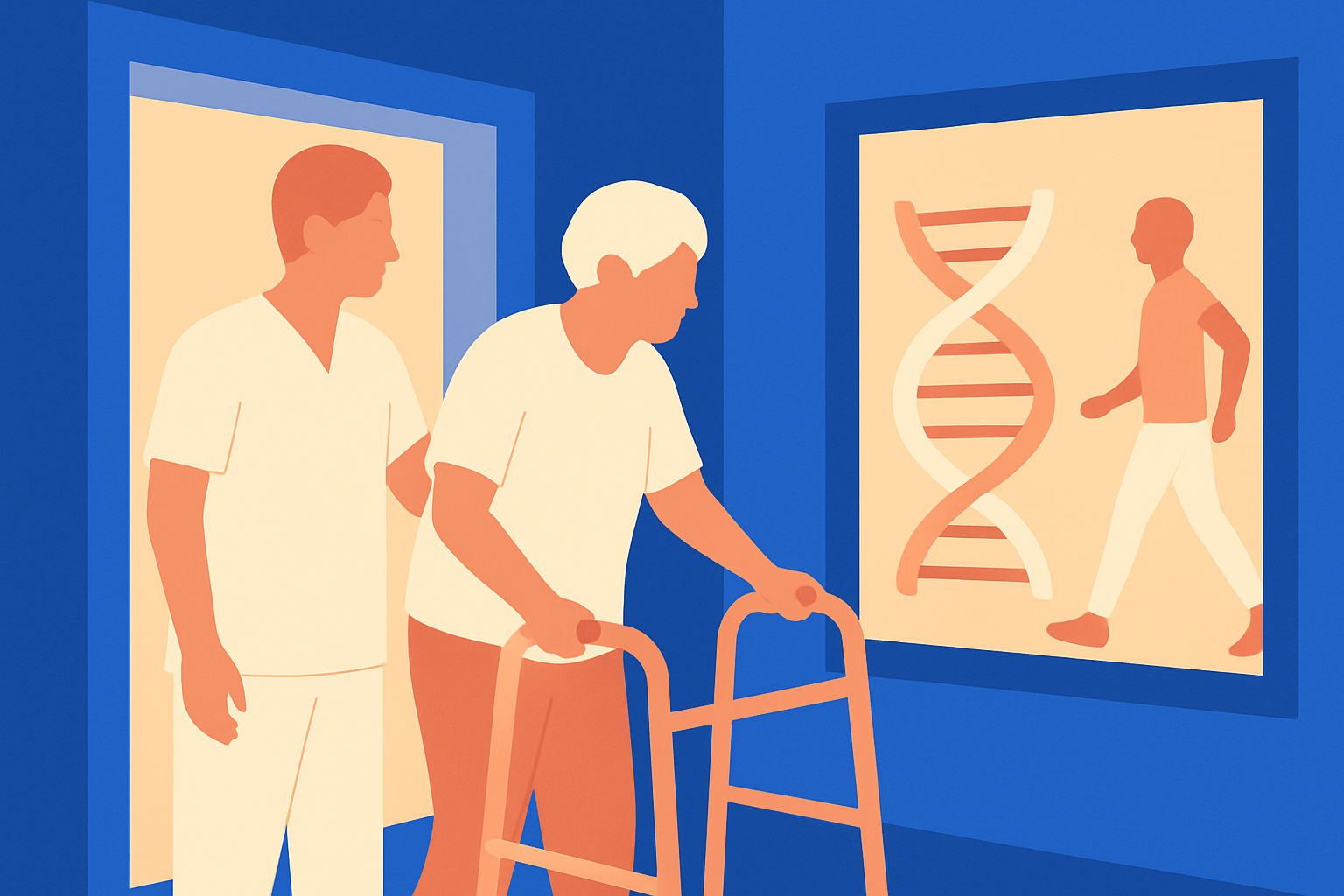
Lifestyle vs Genetics: Habits vs “God-Given” – What Matters Most in Healthy Aging?
Is it our daily habits or our DNA that shapes how we age? As centenarians—those who reach 100 years and beyond—are interviewed about their secrets, we gain clues from both their lived experience and the expanding field of aging research. Let’s unpack the roles of lifestyle and genetics, and what you can do to stack the odds in your favor.
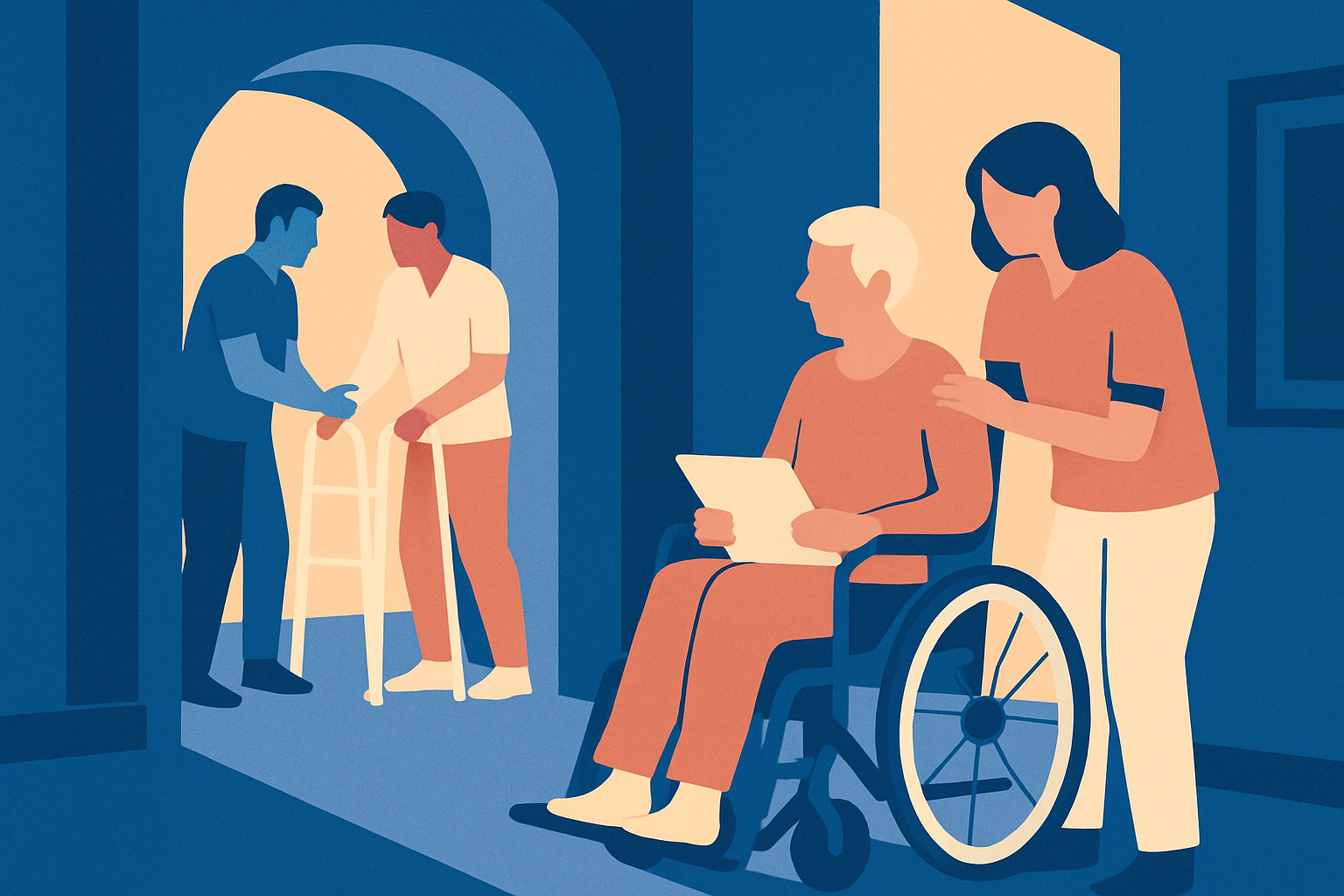
Understanding the Differences: Occupational Therapy vs. Physical Therapy for Older Adults
Learn how occupational therapy and physical therapy differ in their focus, techniques, and goals, and discover which may be right for you or your loved one.

Stay Active, Stay Independent: Exercise and Wellness Tips for Seniors
Discover how regular exercise and simple wellness habits help seniors maintain independence and boost quality of life. Get practical tips for staying safely active as you age.
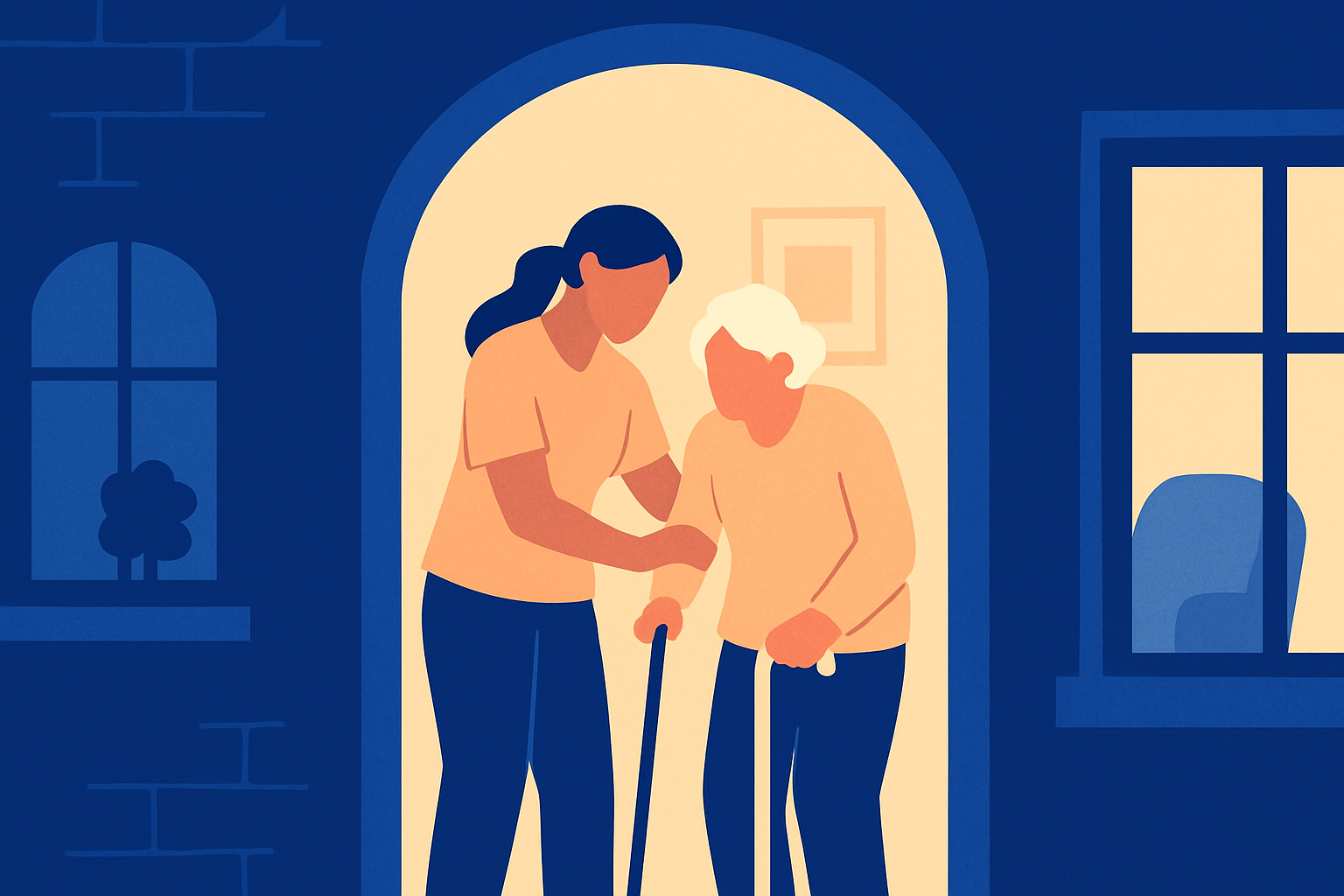
Home Care vs. Home Health: What’s the Difference and Which Is Right for You?
Learn the easy-to-understand differences between home care and home health, why it matters, and tips for choosing the service that fits your needs best. This g…
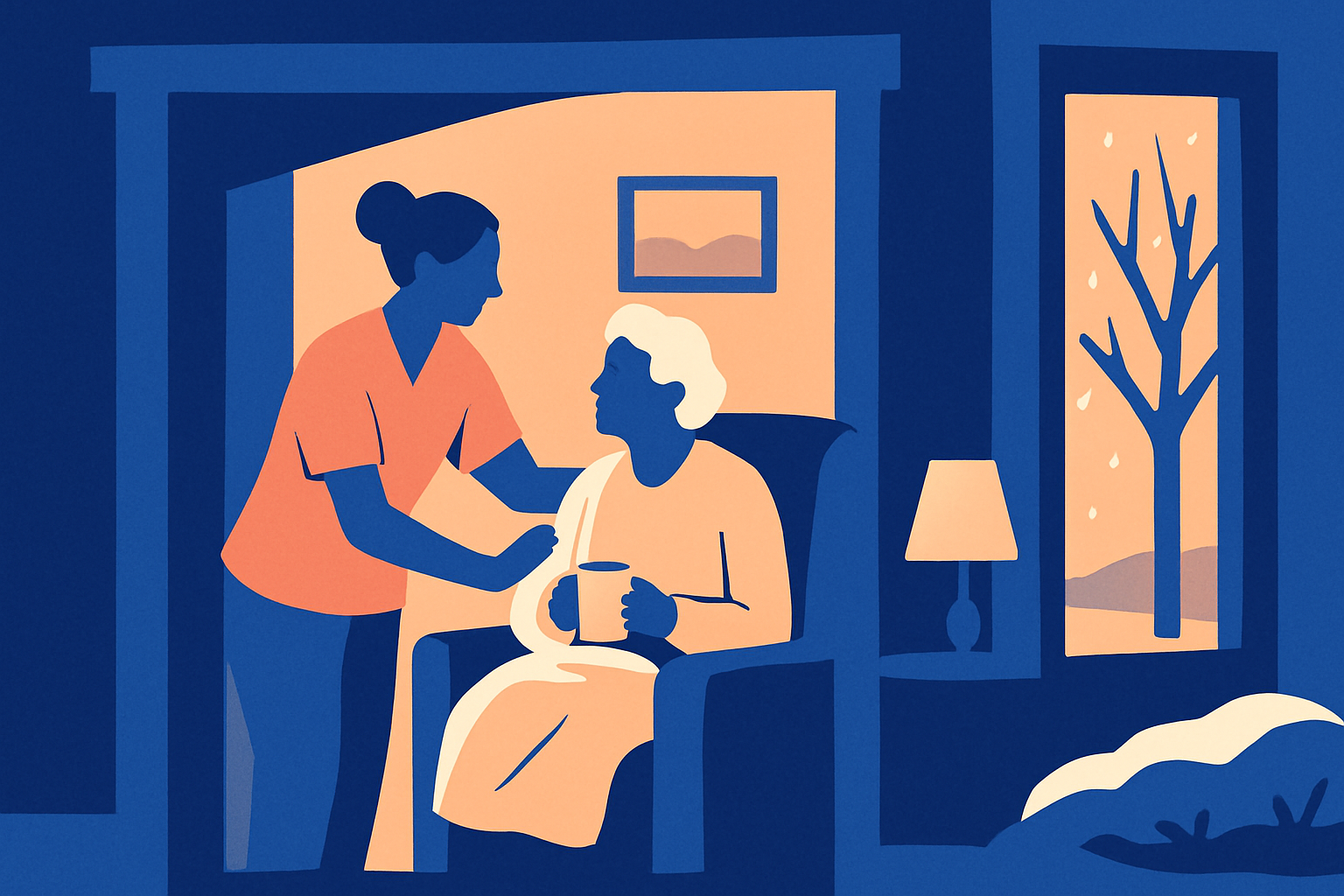
Thriving Through the Chill: Senior Tips for a Safe, Cozy, and Connected Winter
As the last autumn leaves drift down and crisp air gives way to winter’s chill, a season of both beauty and challenge arrives. For many seniors, winter can bring more than just picturesque snowfalls and holiday cheer—it can also lead to feelings of isolation and present real safety risks around the home. But with forethought, the right resources, and a proactive spirit, winter can be a time to flourish rather than endure.
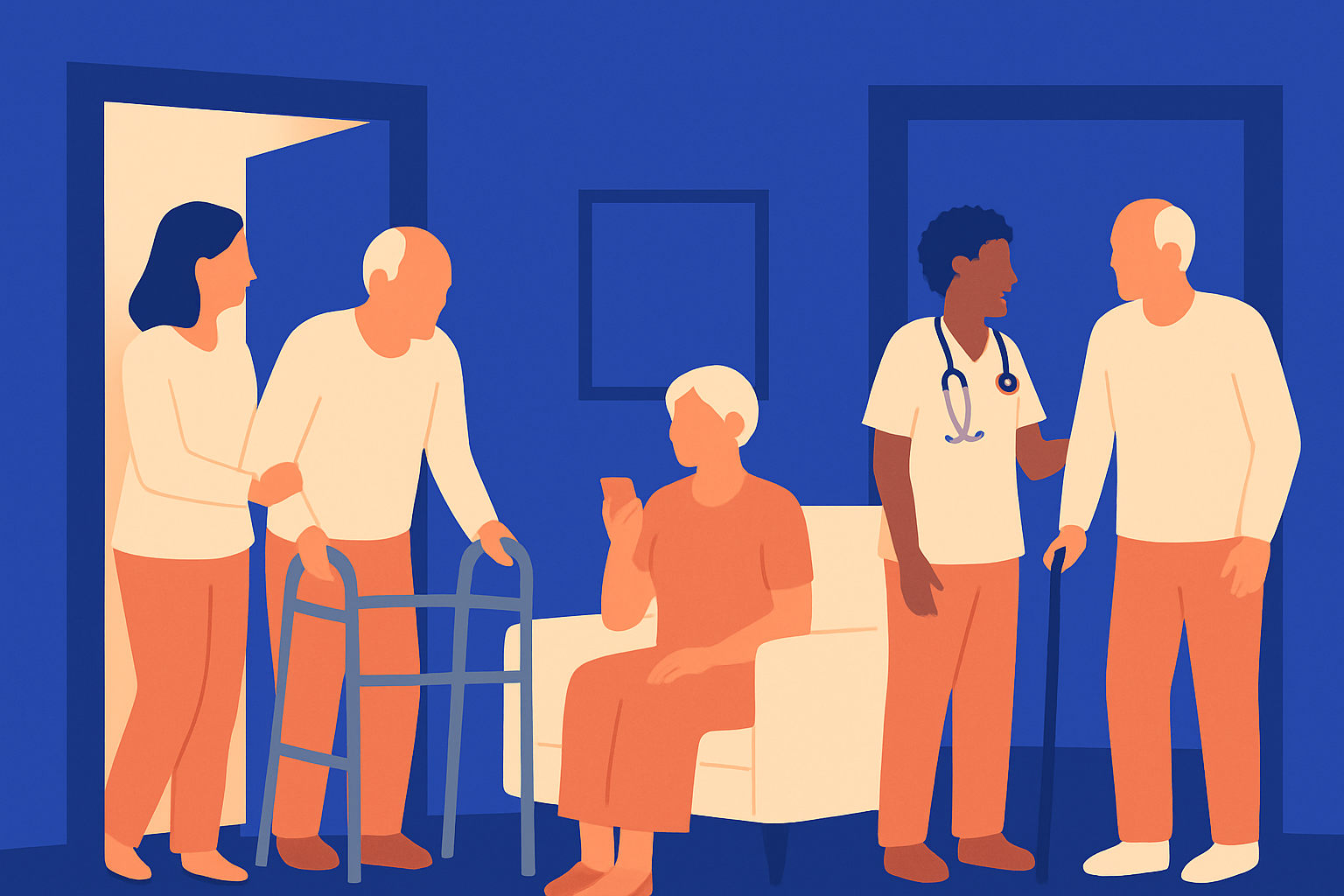
Doing These Three Things After a Rehab Stay Will Help You Stay Safe and Healthy at Home
There are a few key things that can help you be your healthiest and safest when returning home after a hospital or rehab stay. These tips and resources will help you transition back home, and prevent a return to the hospital.